










Samsung's Solid-State Battery: 965 km Range & 9-Minute Charge Ready for 2026/2027 Commercialization
Samsung's solid-state battery offers a 965km range, 9-minute charging, and a 20-year lifespan. Learn how this 500 Wh/kg technology will reshape the EV market by 2027.
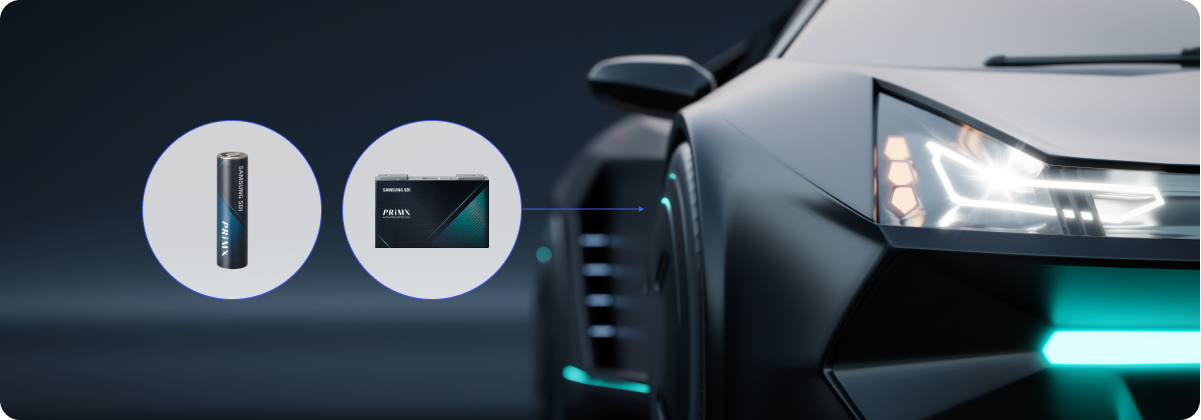


Samsung SDI has officially transitioned its solid-state battery (SSB) technology from laboratory prototypes to the final pre-production phase. First unveiled at SNE Battery Day, these "All-Solid-State Batteries" (ASSBs) are now entering a critical roadmap that targets limited luxury vehicle integration by 2026 and mass production by 2027.
As the EV landscape faces a "precision plateau," Samsung’s breakthrough represents the next great leap in energy density and consumer safety.
Key Performance Benchmarks for 2026
1. Eliminating Range Anxiety: With a capacity to power vehicles for up to 965 kilometers (600 miles) on a single charge, Samsung’s SSB technology nearly doubles the utility of high-end lithium-ion packs.
2. Ultra-Fast Charging: The battery supports charging speeds from 10% to 80% in just 9 minutes. This requires high-capacity infrastructure (480 kW–600 kW), which is currently being deployed across major global transit corridors.
3. 20-Year Durability: Samsung has verified a lifespan of 2,000 charge-discharge cycles, translating to roughly 1.2 million miles (2 million km). This longevity effectively makes the battery outlast the vehicle’s chassis.
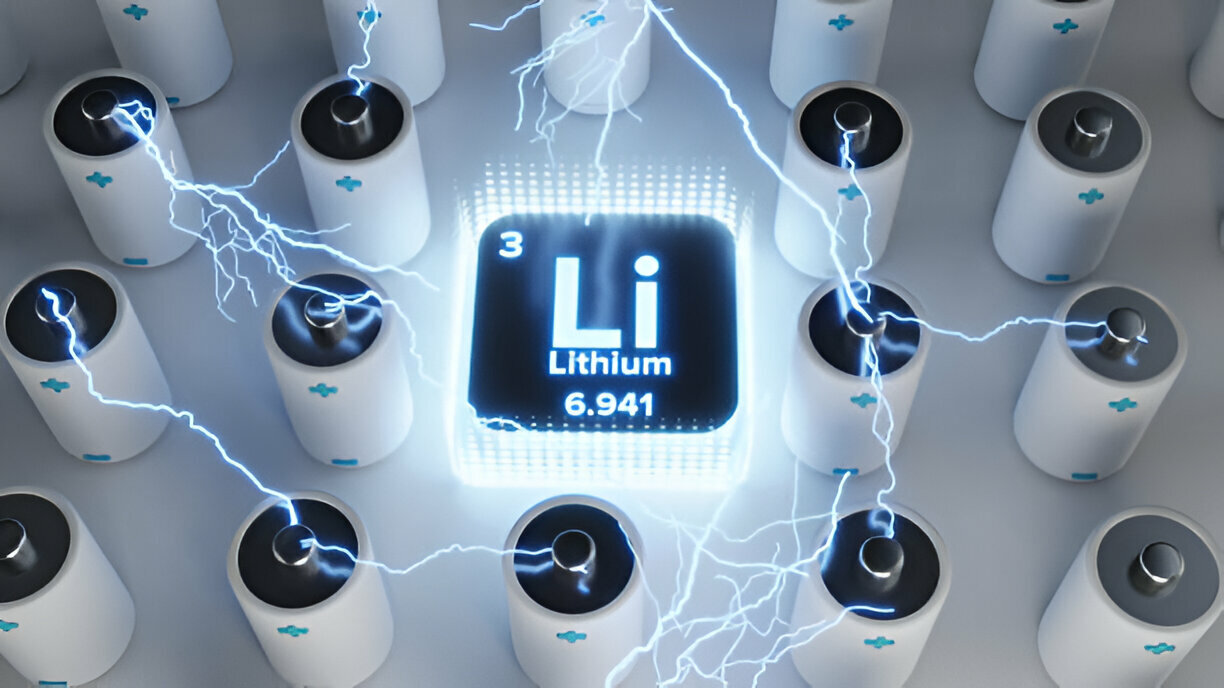
The Technical Advantage: Silver-Carbon Anode Technology
Unlike standard lithium-ion batteries that use liquid electrolytes, Samsung utilizes a solid sulfide-based electrolyte and a proprietary silver-carbon (Ag-C) composite layer for the anode.
A. Energy Density: Samsung’s ASSBs achieve 500 Wh/kg, a massive leap over the ~270 Wh/kg found in today's best prismatic cells.
B. Safety Profile: The removal of flammable liquid electrolytes eliminates the risk of thermal runaway, allowing for tighter packaging and less cooling infrastructure.
2026-2027 Market Implications
In late 2025, Samsung SDI announced a landmark trilateral agreement with BMW and Solid Power. BMW is expected to integrate these ASSB cells into next-generation evaluation vehicles (such as the i7 test platforms) by late 2026.
Initial Adoption Hierarchy:
Phase 1 (2026): Small-scale testing in wearables (Galaxy Watch/Ring) and high-performance "halo" vehicles.
Phase 2 (2027): Commercial mass production for luxury EVs (Stellantis, Hyundai, and BMW).
Phase 3 (2028+): Trickle-down to mainstream passenger EVs as sulfide-electrolyte production scales.
Conclusion
Samsung's "Super-Gap" technology is no longer a distant promise. With road-testing and pilot-line production in Korea well underway, 2027 will mark the year the EV industry finally overcomes the speed-vs-range paradox.





 Compare
 Clear the comparison bar
