










Point-Spectrometry Measurement of Bottom Tapped Hole Depth
Point-Spectrometry Measurement of Bottom Tapped Hole Depth
 Product Inquiry
In the machining process, dimensions such as the depth of bottom tapped holes have a significant impact on the manufacturing and application of bottom screws. Therefore, processes including accurate measurement and control of these dimensions are particularly critical.
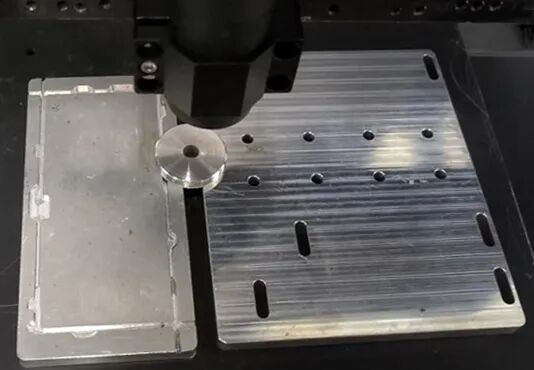
In this issue, Mr. Shen (Deep Sir) will share an application case of point-spectrometry measurement for bottom tapped hole depth. Let’s take a look.
I. Inspection Requirements
Product Name: Bottom Screw
Product Size: 8.6 mm
Measurement Item: Hole Depth
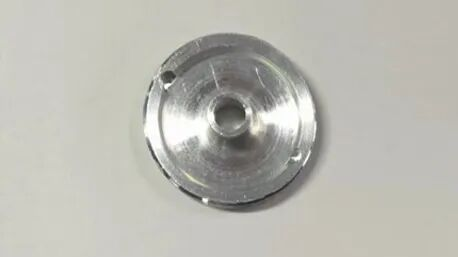
Figure | Physical Picture
II. Measurement Process
The solution adopts direct point-spectrometry measurement to record the height difference from the bottom of the bottom screw to the inner edge of the tapped hole. This method avoids measurement blind spots and reduces thermal drift.
Figure | Measuring Point (Bottom)
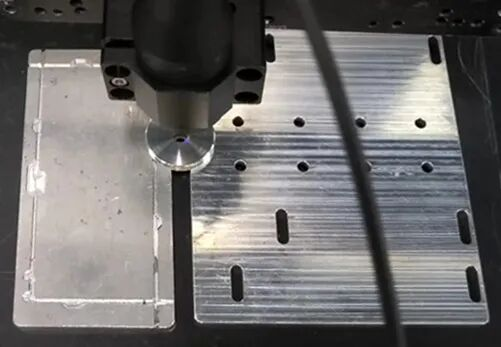
Figure | Measuring Point (Hole Depth Inner Diameter)
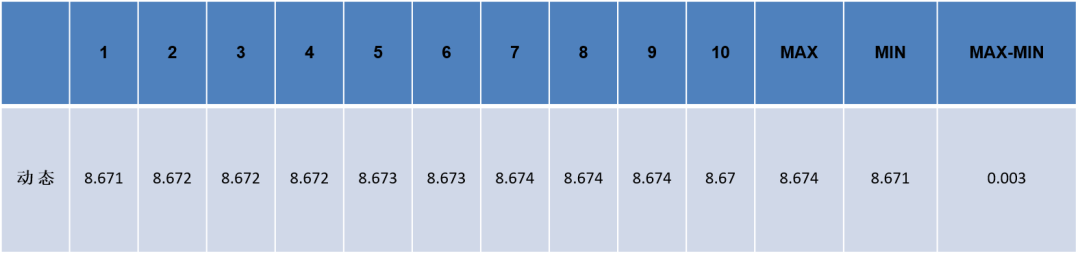
Figure | Measurement Results (Unit: mm)
Data Description: Ten dynamic measurements were performed using the SC10015. The repeatability of the height difference is 0.003 mm.
III. Sensor Selection
Point-Spectrometry Model: SC10015
Spot Size: 19.2 μm / 40.3 μm
Measuring Range: 10 mm
Angular Characteristics: ±15°
Numerical Aperture: 0.26
Working Distance: 40 mm
Axial Resolution: 0.012 μm
Linearity: ±0.01% F.S.
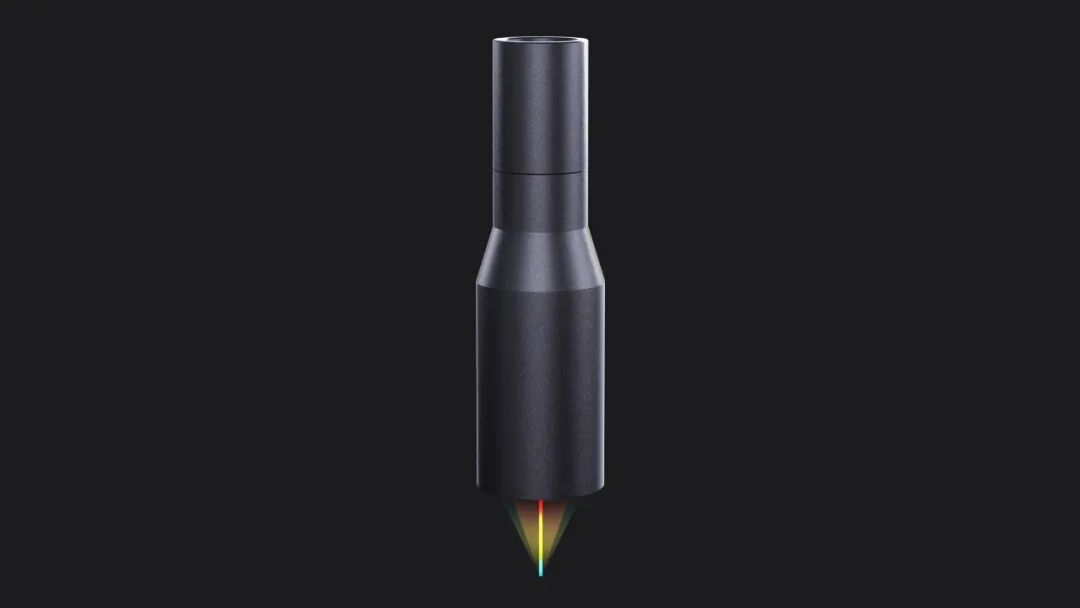
Shenshi Intelligent’s spectroscopic confocal displacement sensors are suitable for the inspection of products made of various materials. With superior measurement accuracy and stability, they help customers solve diverse inspection challenges, supporting enterprises in precision measurement, cost reduction, and efficiency improvement.









 Compare
 Clear the comparison bar
