










Capturing the transient process in relay safety testing
Capturing the Invisible Moment: How DeepVision Smart High-Speed Cameras Uncover the Truth Behind Relay Safety Failures
 Product Inquiry
Related tags
I. Observation Challenge: When Fault Moments Surpass Perceptual Limits
In relay safety testing, researchers have long faced two core challenges:
Microscopic dynamics "unobservable": Contact bounce, separation speed, arc formation paths, and extinction timing all occur within microseconds to milliseconds. Conventional cameras lack sufficient frame rates, resulting in motion blur and trailing artifacts. This leaves contact life analysis and arc characteristic research without intuitive, quantitative data support.
Failure process "incompletely captured": Overload-induced explosions involve violent eruptions of flames, smoke, and fragments—a one-time transient event. Limited by resolution and dynamic range, traditional equipment cannot accurately record flame morphology, dimensions, and temporal evolution, depriving safety protection design optimization of precise and complete visual evidence.
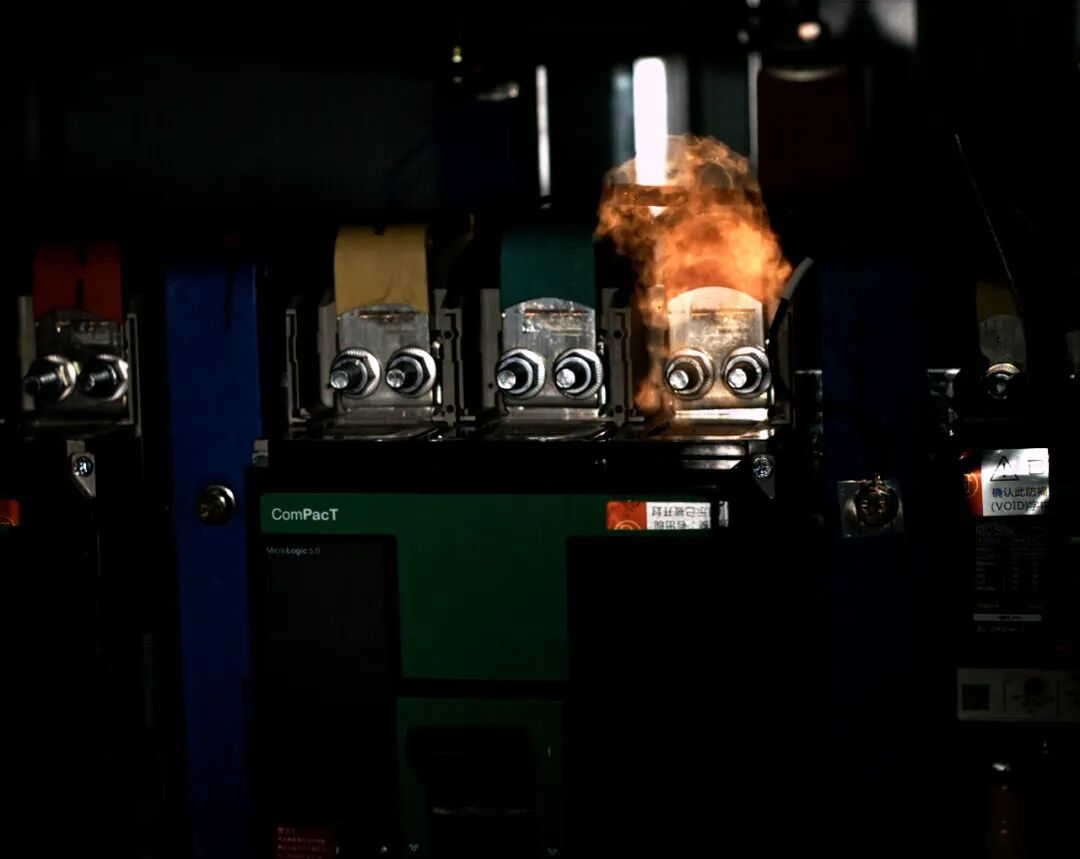
Figure | Instant of explosion caused by relay overload
II. The Solution of DeepVision Smart High-Speed Cameras
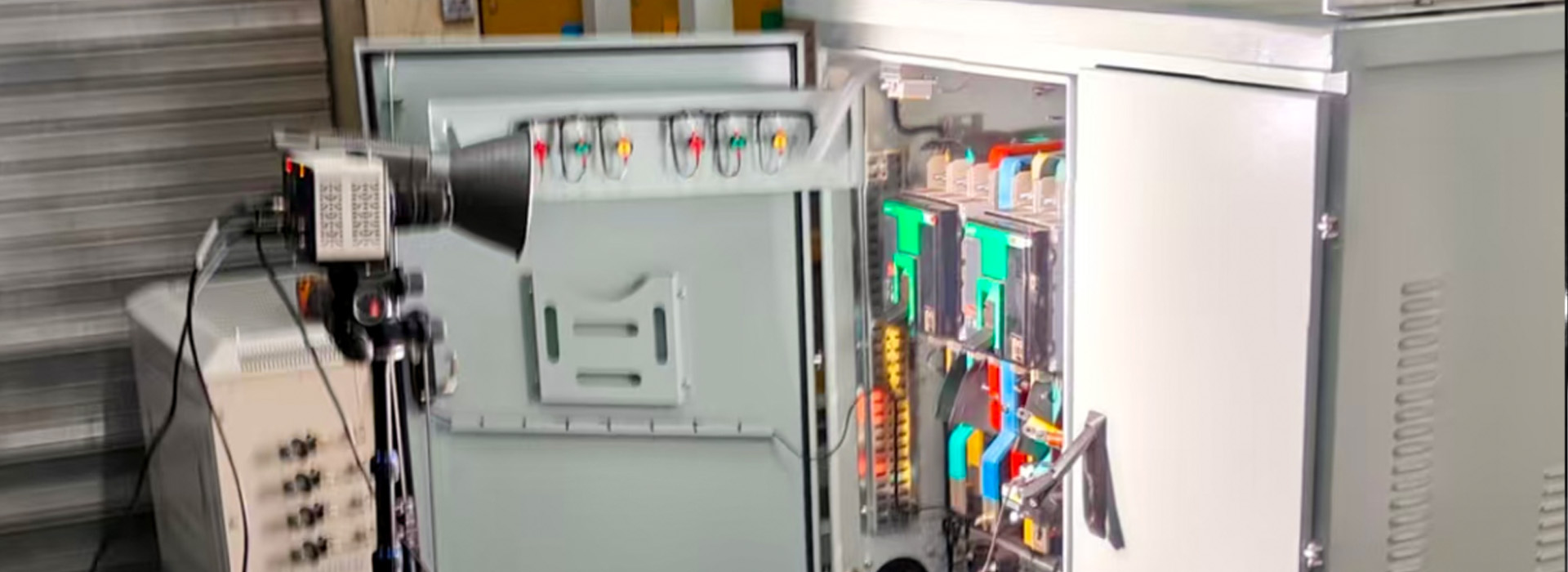
To address these challenges, we have built an efficient observation solution for relay safety testing based on the DeepVision SH3-108 high-speed camera.
01 Ultra-High-Speed Capture for Microscopic Transient Analysis
Ultra-high-speed imaging: Maintains a recording speed of 16,000 fps at 1280×512 resolution, clearly freezing every contact bounce, arc formation path, and morphological evolution of flames in the early explosion stage.
Automatic exposure: Preserves both the intense light of explosion arcs and details of dimmer flames, avoiding overexposure or underexposure to ensure complete recording of all critical information.
02 Synchronous Triggering for Full Process Reproduction
Through hardware synchronization between the high-speed camera and overload current signals, recording is triggered automatically the moment the relay actuates. This ensures full documentation of the entire process—from the first arc generation to flame development, peak intensity, and extinction.
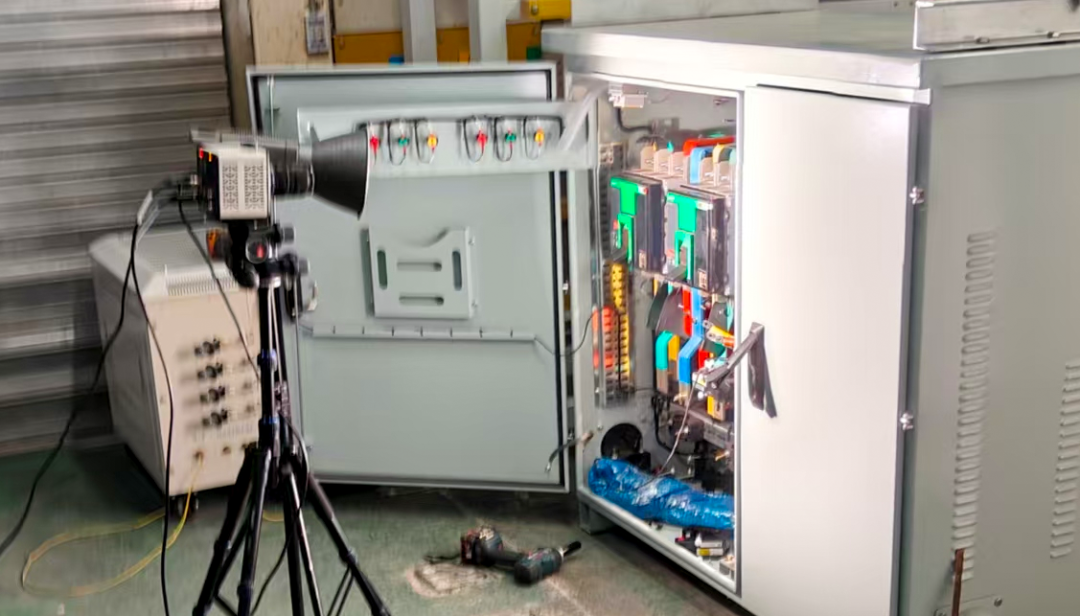
Figure | Schematic of experimental setup
Using the accompanying professional analysis software, researchers can directly extract a series of key performance parameters from video, including contact dynamics data, arc characteristic parameters, and flame/explosion process metrics.
These multi-dimensional quantitative results form an accurate profile of relay performance and safety, providing a solid data foundation for product design improvement, material selection, and failure analysis.
III. Significance and Value of Observation
High-speed imaging transforms invisible moments into quantifiable data, serving as a powerful engine for product optimization and cutting-edge research.
01 Precise Product Design Optimization
Contact design optimization: Precise analysis of contact motion sequences and arc erosion locations provides direct evidence for improving contact materials, geometry, and spring pressure.
Arc suppression structure validation: Direct observation of the actual performance of arc chutes, magnetic blowout systems, and other structures under extreme conditions enables evaluation of arc interruption speed and efficiency, driving iterative safety design.
Failure mechanism identification: Detailed reconstruction of explosion processes accurately pinpoints failure root causes, enhancing product durability through structural design and material selection improvements.
02 Empowering Cutting-Edge Technological Research
Discharge characteristic research: High-speed imaging visualizes the complete lifecycle of discharge channels, converting invisible phenomena into analyzable image sequences and delivering critical insights for developing advanced arc suppression technologies.
New material & process validation: In the development of novel contact materials or electromagnetic structures, high-speed imaging serves as a key tool for verifying dynamic performance and safety boundaries, accelerating the industrialization of innovative technologies.
IV. Recommended DeepVision Smart High-Speed Camera
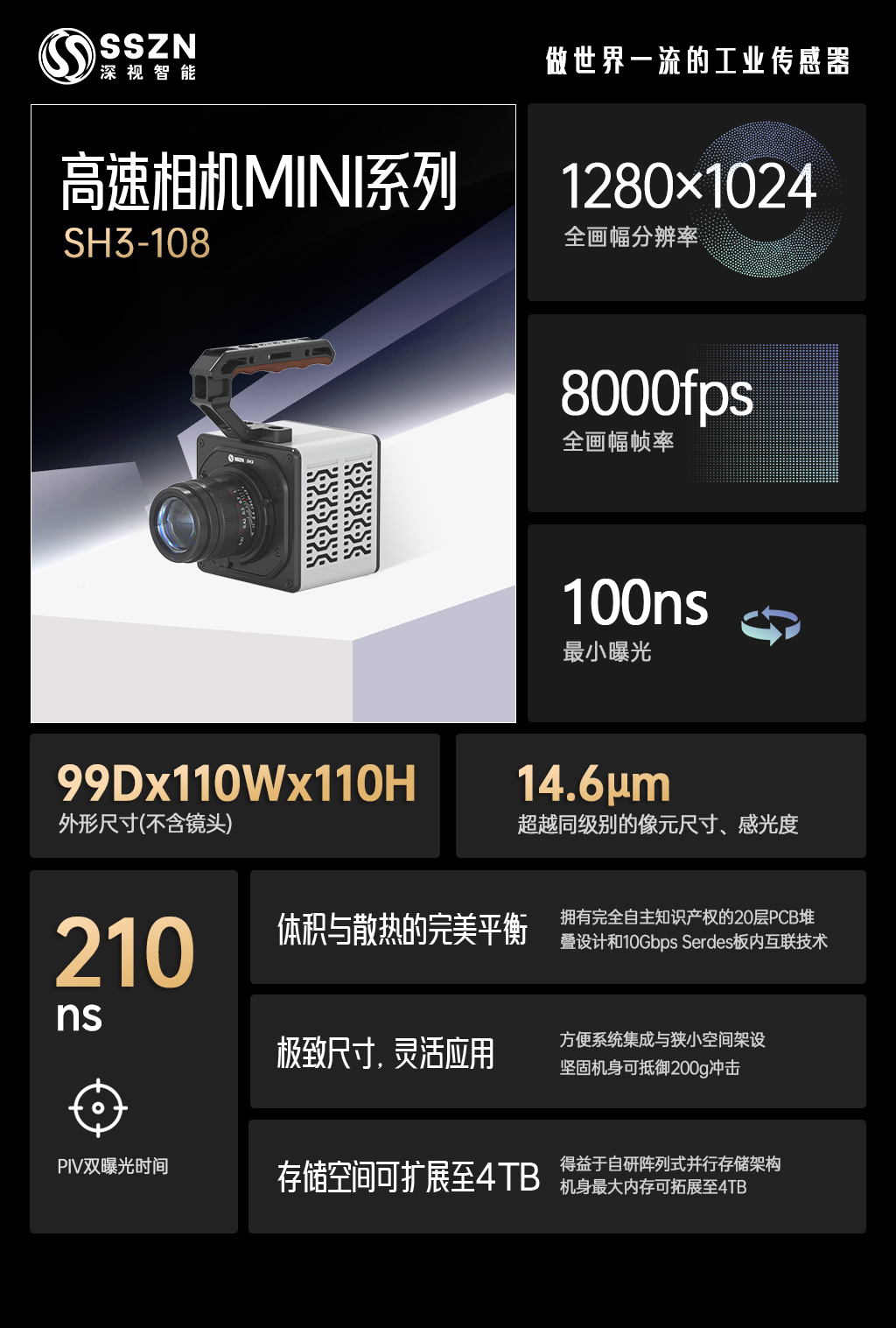
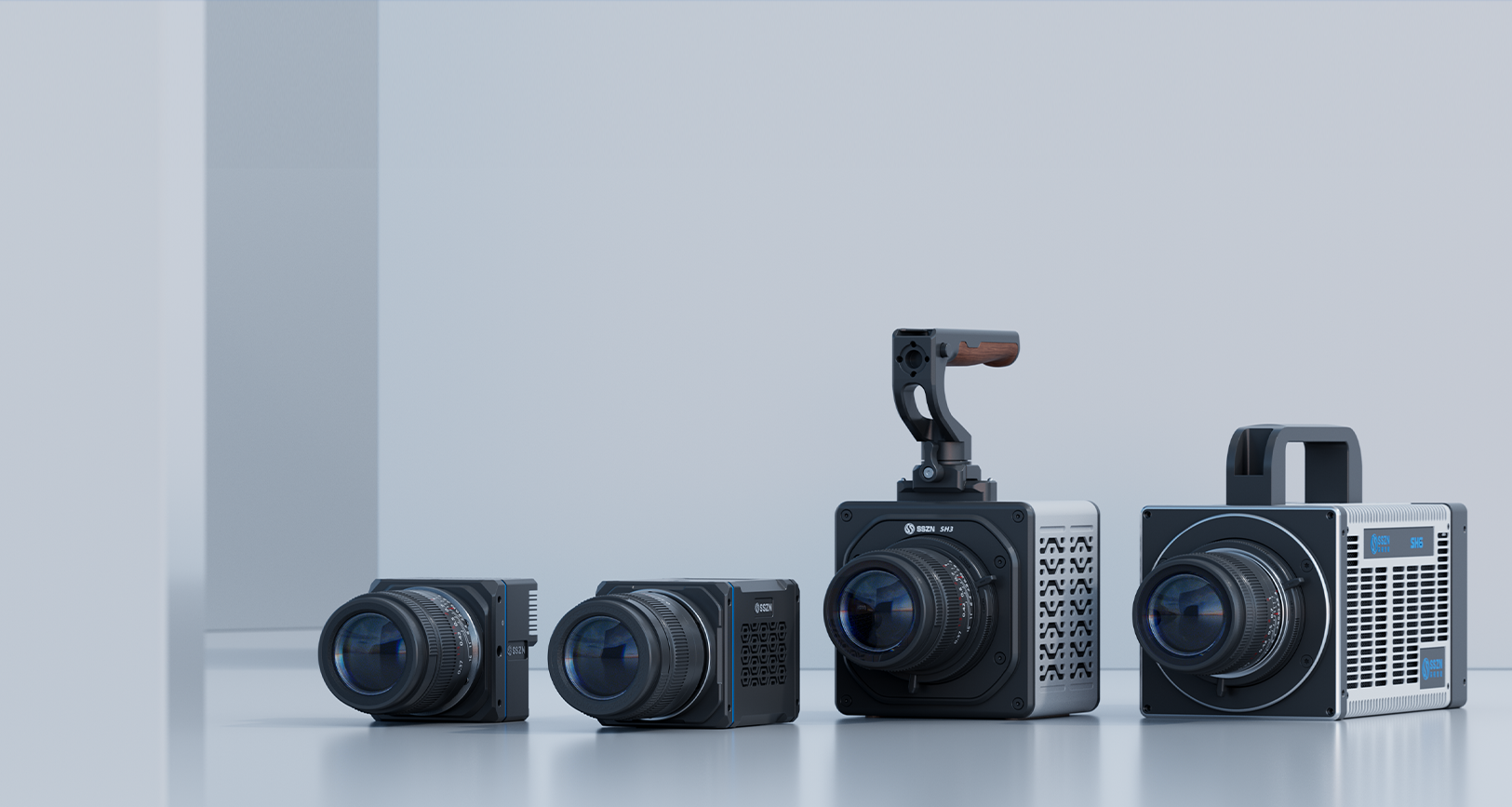
Resolving observation challenges in transient relay safety testing begins with accurately capturing the truth. We recommend the DeepVision SH3-108 high-speed camera, optimized specifically for arc discharge characteristic analysis. It maintains 8,000 fps at full 1280×1024 resolution, achieving an ideal balance between image quality and speed—making it a reliable tool for capturing and analyzing relay transient processes.
DeepVision smart high-speed cameras are helping an increasing number of global enterprises break through observation bottlenecks, build data-driven R&D systems, and enhance product reliability.
If you also face challenges in observing high-speed transients, please contact our team to obtain a customized solution and apply for a free prototype test—so that no critical moment goes unseen.








 Compare
 Clear the comparison bar
