










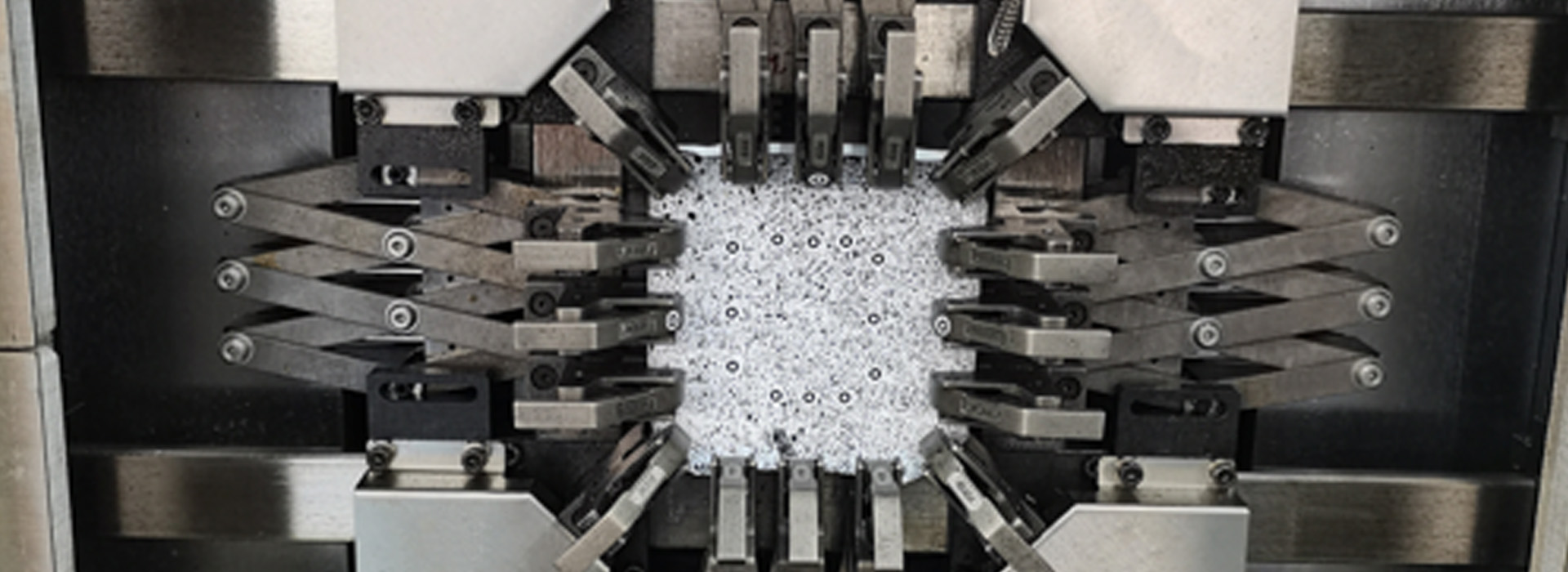
Observation of Biaxial Stretching Tests for Composite Films
Application of Shenshi Intelligent High-Speed Cameras in Biaxial Stretching Tests of Composite Films
 Product Inquiry
Related tags
I. Project Background
In an era of rapid technological advancement, materials science has ushered in a new chapter. Particularly in the new energy sector, such as electric vehicles and energy storage systems, the safety and reliability of composite films directly determine the overall performance of products. To ensure the quality of these high-performance composite films, scientists and engineers are continuously exploring more advanced testing methods.
This experiment combines high-speed imaging technology with Digital Image Correlation (DIC) to conduct high-speed photography and measurement during the stretching process of composite films. This technology can not only capture subtle changes in composite films under loading but also provide accurate strain analysis, offering strong support for the research and development of composite films.
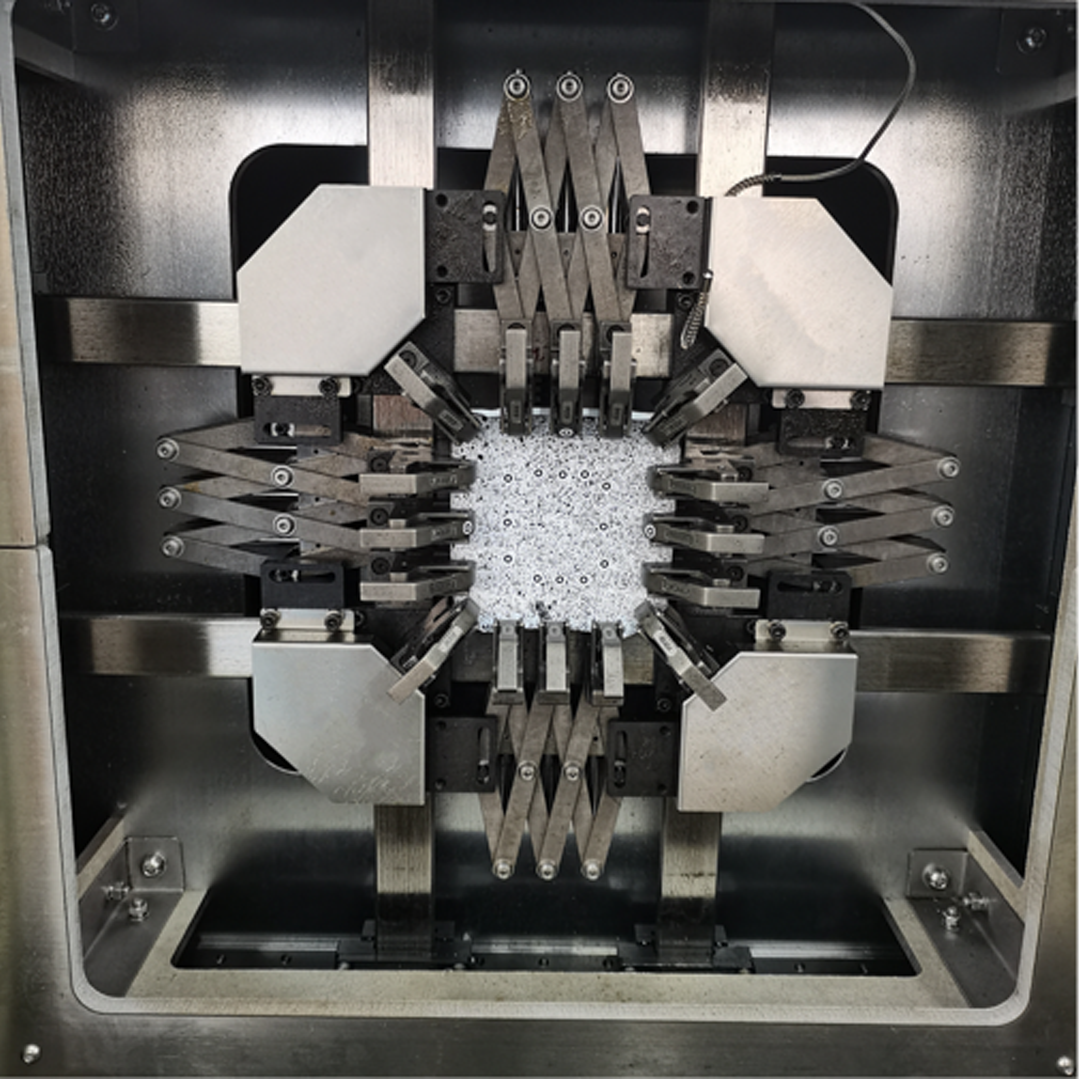
Figure | Biaxial Stretching Test of Composite Films
Featuring high frame rates and high resolution, Shenshi Intelligent High-Speed & High-Definition Series cameras can rapidly capture minor deformations and fracture behaviors of composite films during biaxial stretching, and accurately evaluate the mechanical properties of materials, including key indicators such as X/Y displacement, biaxial deformation, and principal strain. This is crucial for understanding the performance of composite films in practical applications.
II. Powerful Combination of High-Speed Photography and DIC Technology
In this experiment, speckle patterns and marker points were sprayed onto the film surface. Biaxial tension was applied to the film, and the dynamic behavior of the composite film was recorded using a Shenshi Intelligent high-speed camera. DIC technology was employed for data processing in the relevant regions to accurately analyze full-field strain and multi-point displacement.
This non-contact measurement method eliminates the wiring requirements and measurement point limitations of traditional sensors, enabling the acquisition of more comprehensive multi-point data. Combined with the high-resolution and high-frame-rate characteristics of Shenshi Intelligent high-speed cameras, high-resolution deformation maps can be obtained, thereby quantifying the response of composite films under different stress states.
The perfect integration of high-speed cameras and DIC technology allows researchers to gain deeper insights into the mechanical behavior of composite films, laying a solid foundation for improving material reliability and safety.
Whether evaluating the mechanical properties of new composite materials or optimizing the design of existing materials, this technology demonstrates unique advantages. In the future, with the participation of more researchers and technicians, we believe this technology will further promote the development of composite material science and inject new vitality into the new energy industry.
III. Recommended Shenshi Intelligent High-Speed Cameras
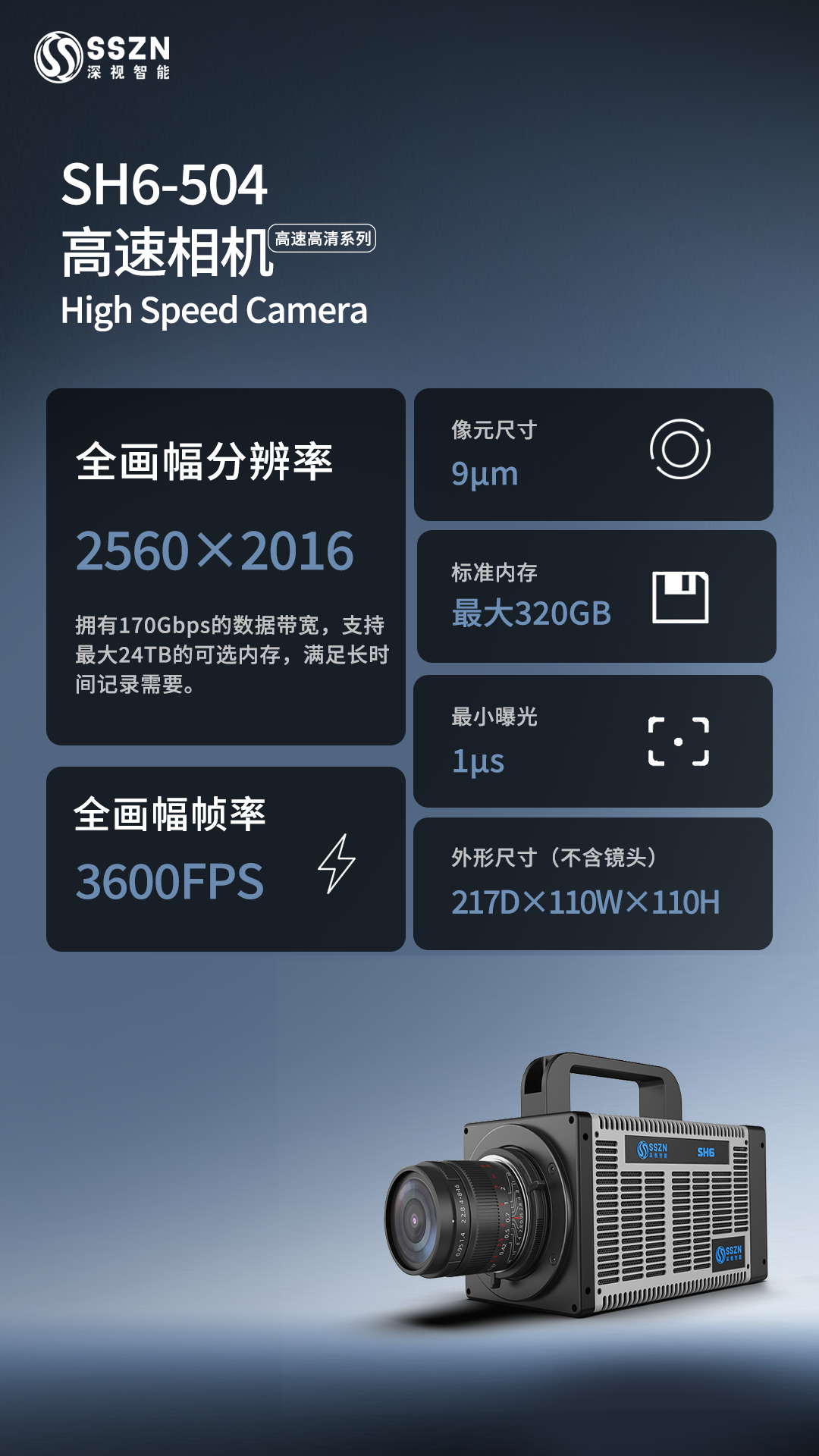
With the continuous development of materials science, an increasing number of new composite film materials have emerged. The high frame rate and rapid capture capability of high-speed cameras make them indispensable tools in materials science research.
By using Shenshi Intelligent high-speed cameras to observe structural changes and compatibility of new materials under biaxial stretching, the feasibility and advantages of new materials can be quickly evaluated, providing theoretical and experimental support for the development and application of new products.
Thank you for reading! If you are interested in this technology or high-speed cameras, please leave a comment for discussion or follow our subsequent articles. We will continue to bring you the latest industry information and technical interpretations.









 Compare
 Clear the comparison bar
