










Laser-Induced Fluorescence Imaging for Aerospace Materials with Solis B0465 sCMOS Camera
Optimize aerospace material testing with Solis B0465 sCMOS camera. Capture weak fluorescence signals at 540, 560, 680 nm with high QE, low noise, and short exposure.
 Product Inquiry
Related tags
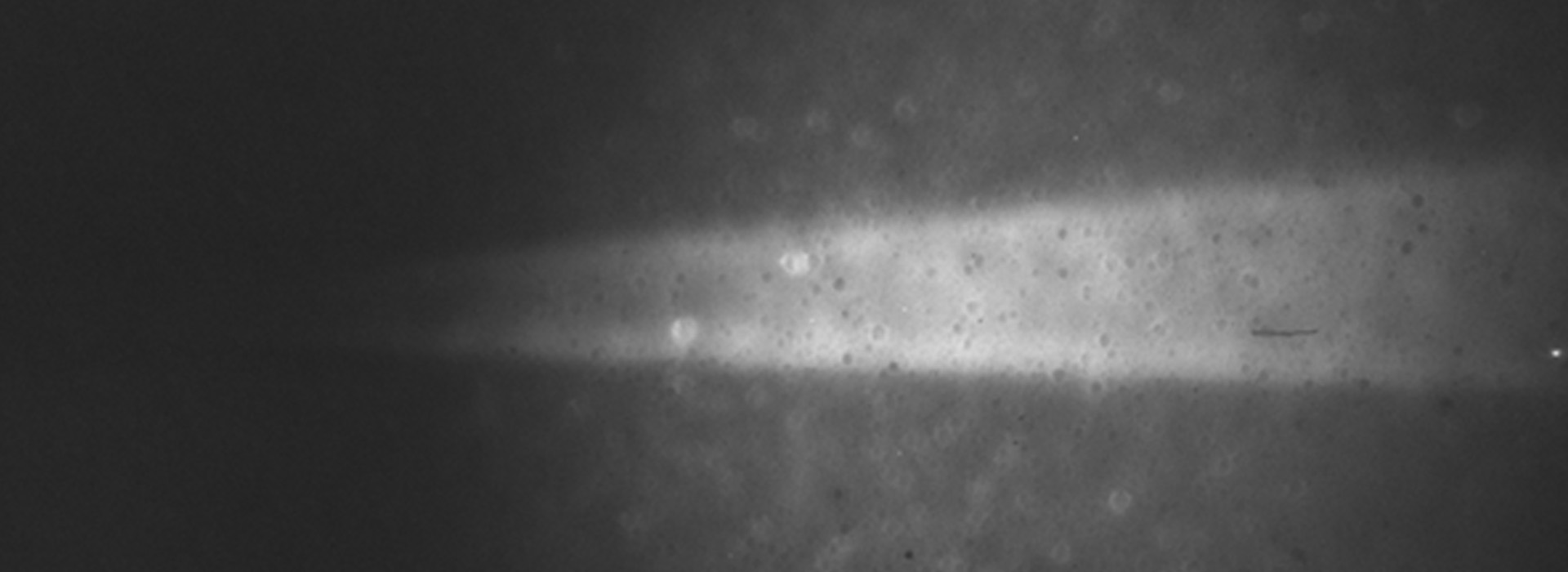
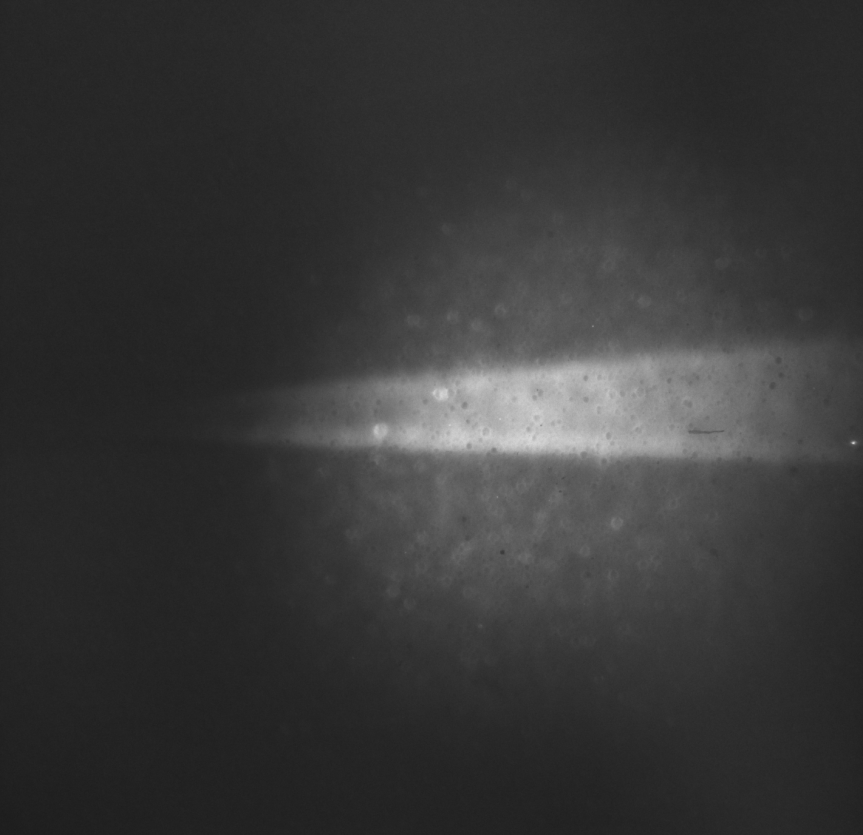
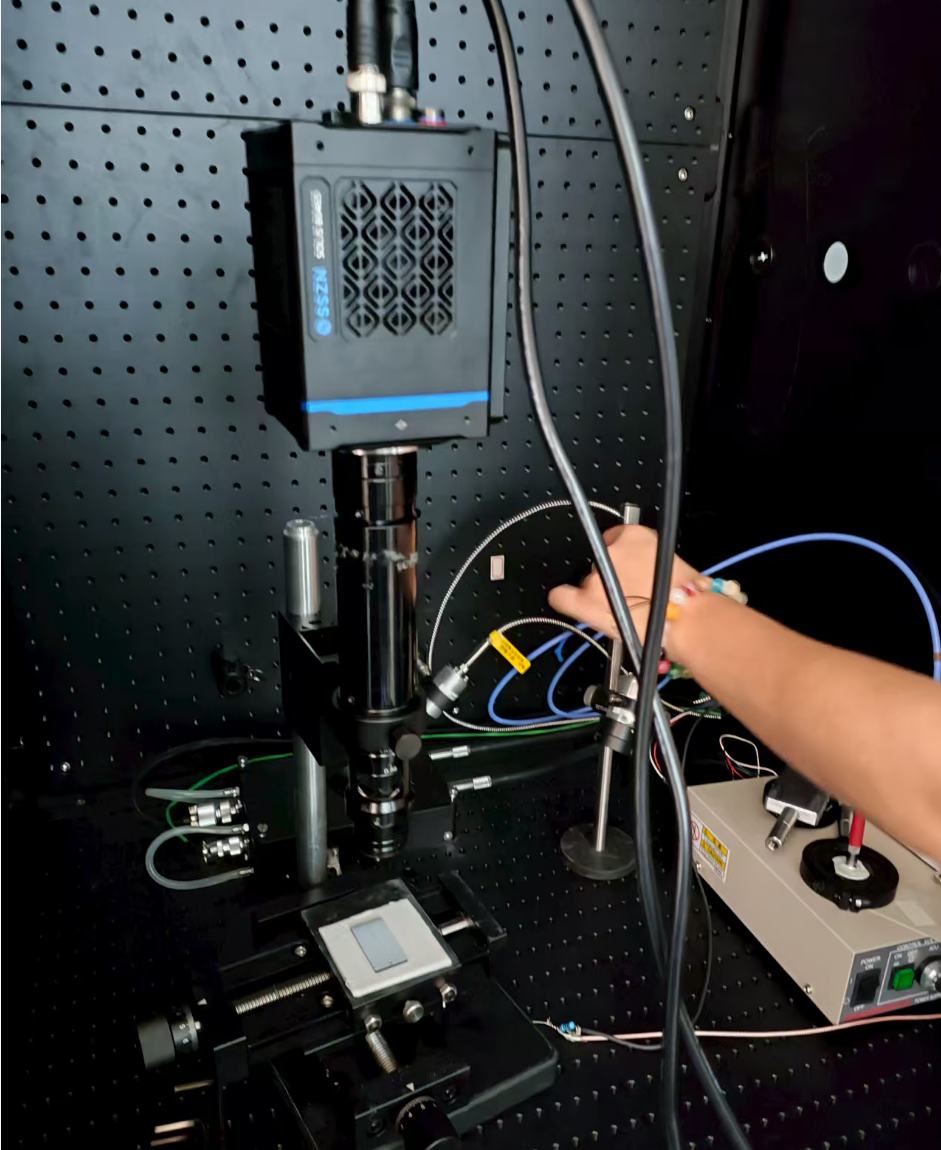
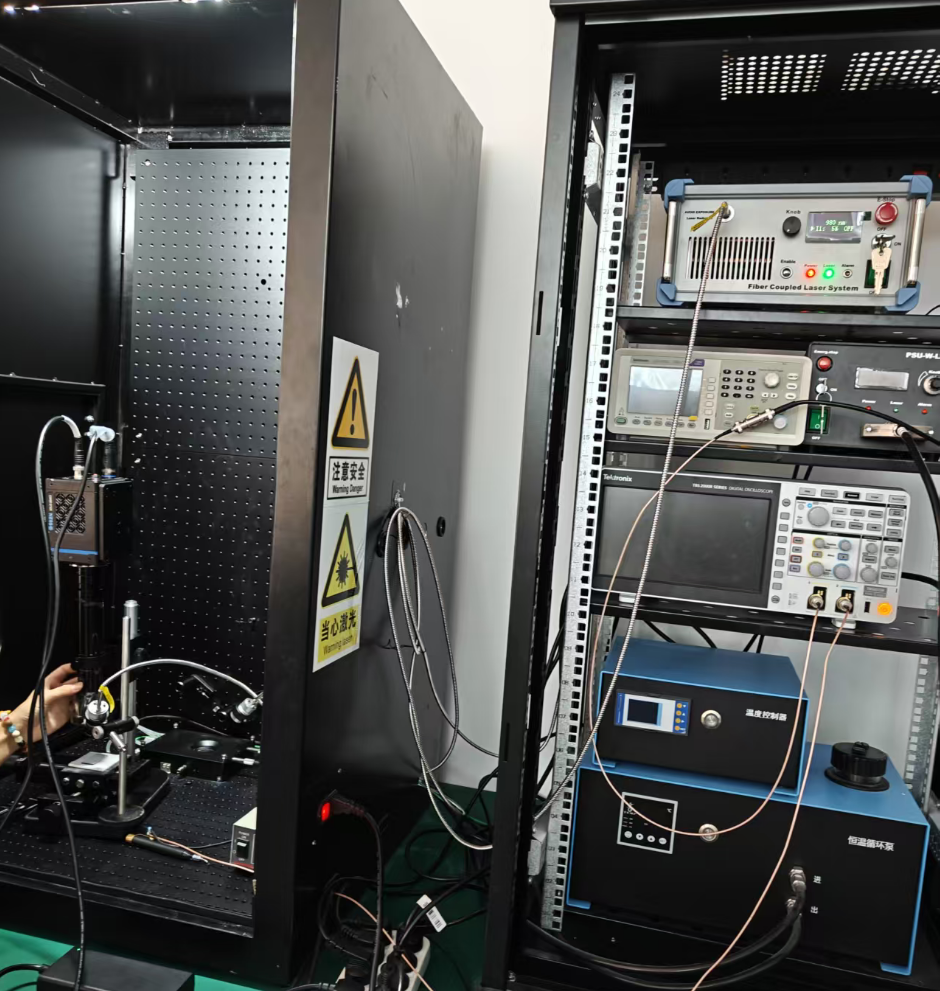
In laser-induced fluorescence (LIF) experiments on aerospace engine fluorescent materials such as high-temperature coatings and stress-sensing materials—980nm near-infrared excitation generates fluorescence signals in three bands: 540nm (green), 560nm (yellow-green), and 680nm (red).
However, practical detection faces several challenges:
Extremely weak signals prone to interference: Metallic or ceramic substrates reflect and scatter the excitation light. Background noise, including residual engine lubricants, reduces the signal-to-noise ratio (SNR), especially in the red 680nm band. Conventional cameras struggle to distinguish true fluorescence from noise.
Long exposure causes photobleaching and thermal noise: Capturing weak signals may require exposures of hundreds of milliseconds or more. Under high-intensity laser illumination (1–5 W/cm²), fluorescence signals decay quickly (e.g., 540nm signal drops 30% within 10 minutes), and thermal noise from substrates accumulates, affecting measurement stability.
激








 Compare
 Clear the comparison bar
