










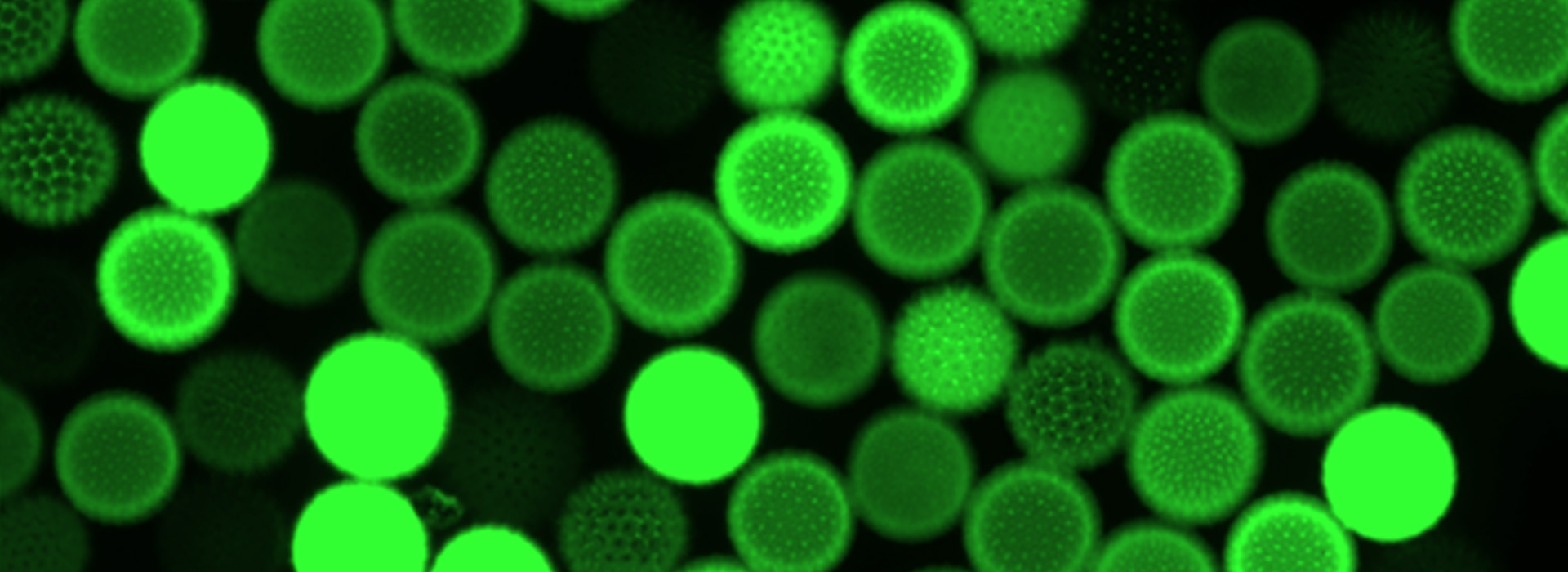
Plant Cell Fluorescence Imaging with sCMOS Camera
Overcome challenges in plant cell fluorescence imaging caused by autofluorescence and low signal with the advanced Solis-B0465 sCMOS camera. Featuring high quantum efficiency, deep cooling, and low phototoxicity, it delivers superior sensitivity and image reliability for long-term live-cell and low-light plant studies.
 Product Inquiry
Related tags
Project challenges:
In plant cell fluorescence imaging, autofluorescence from chloroplasts and background signals from cell wall lignin create strong interference. Traditional CMOS cameras, due to low quantum efficiency (only 30-40% in the 500–700 nm band) and significant noise, struggle to extract effective weak fluorescence signals, severely impacting image quality and data reliability.
Camera Selection
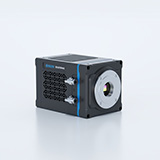
SinceVisionVision's Solis-B0465 sCMOS camera, equipped with high-performance back-illuminated sCMOS sensors, advanced deep cooling technology, and sealing processes, significantly enhances the signal-to-noise ratio and imaging sensitivity. It is an ideal tool for long-term, low-light, live-cell observation in plant biology.
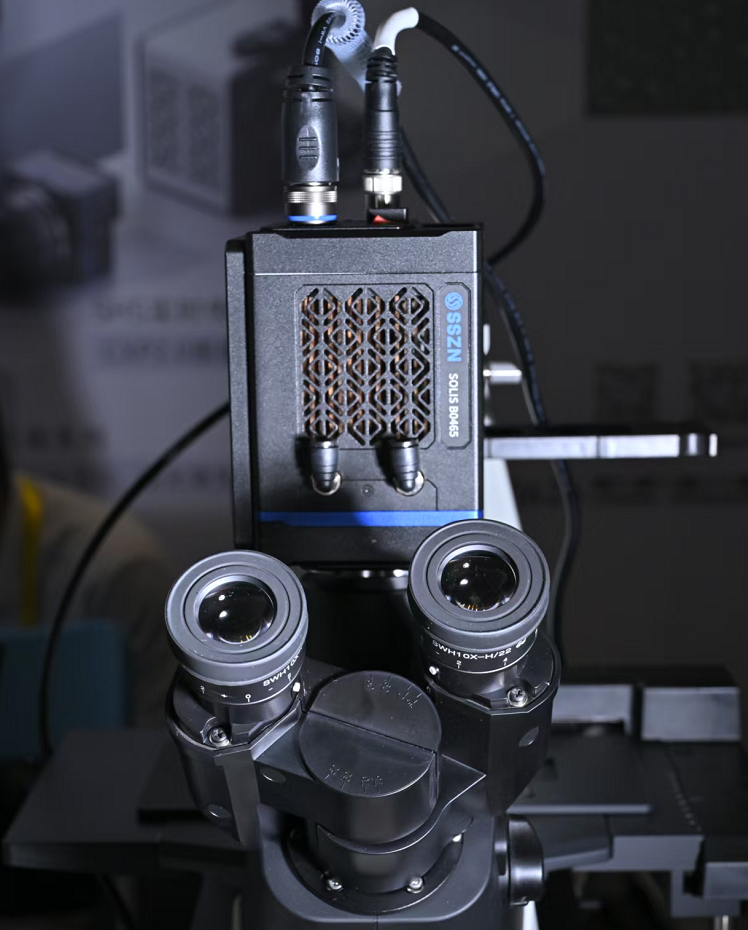
On-site Setup Diagram for Plant Cell Imaging Research Experiment
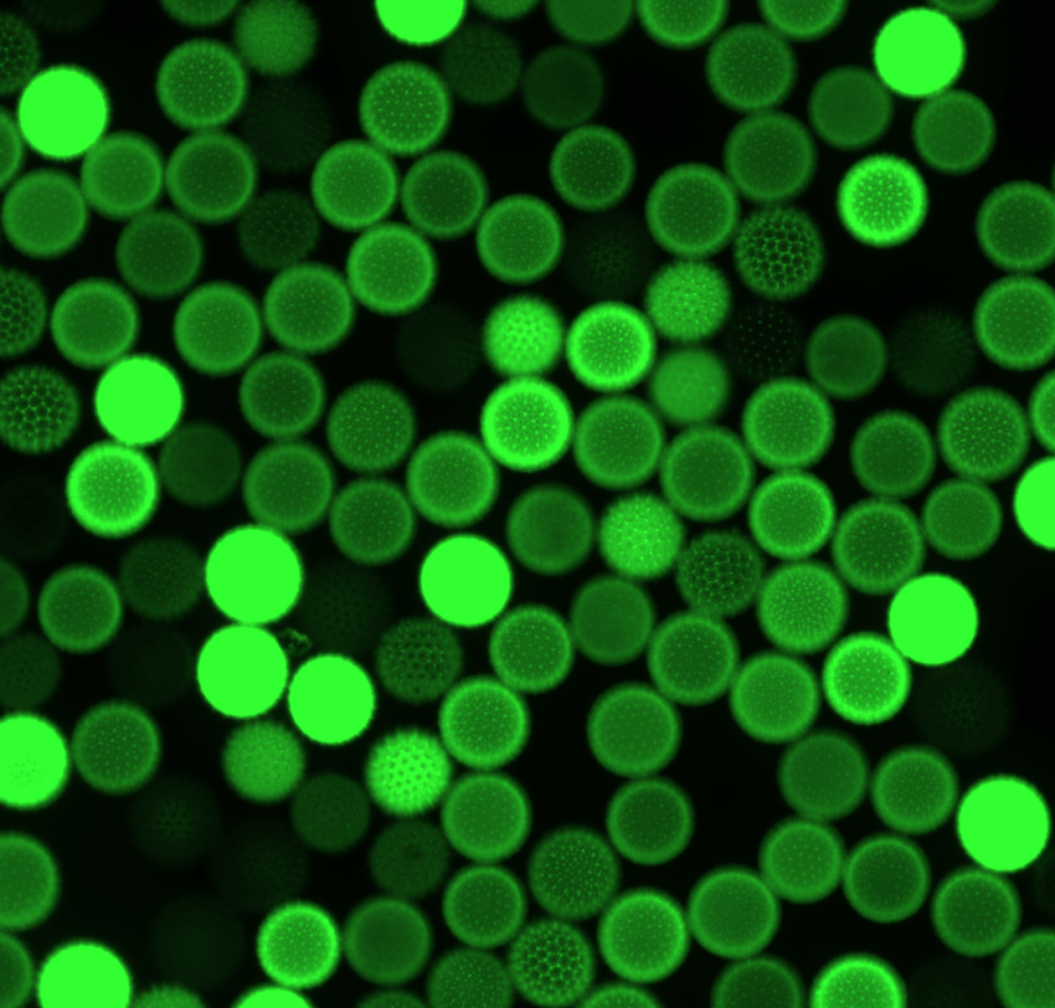
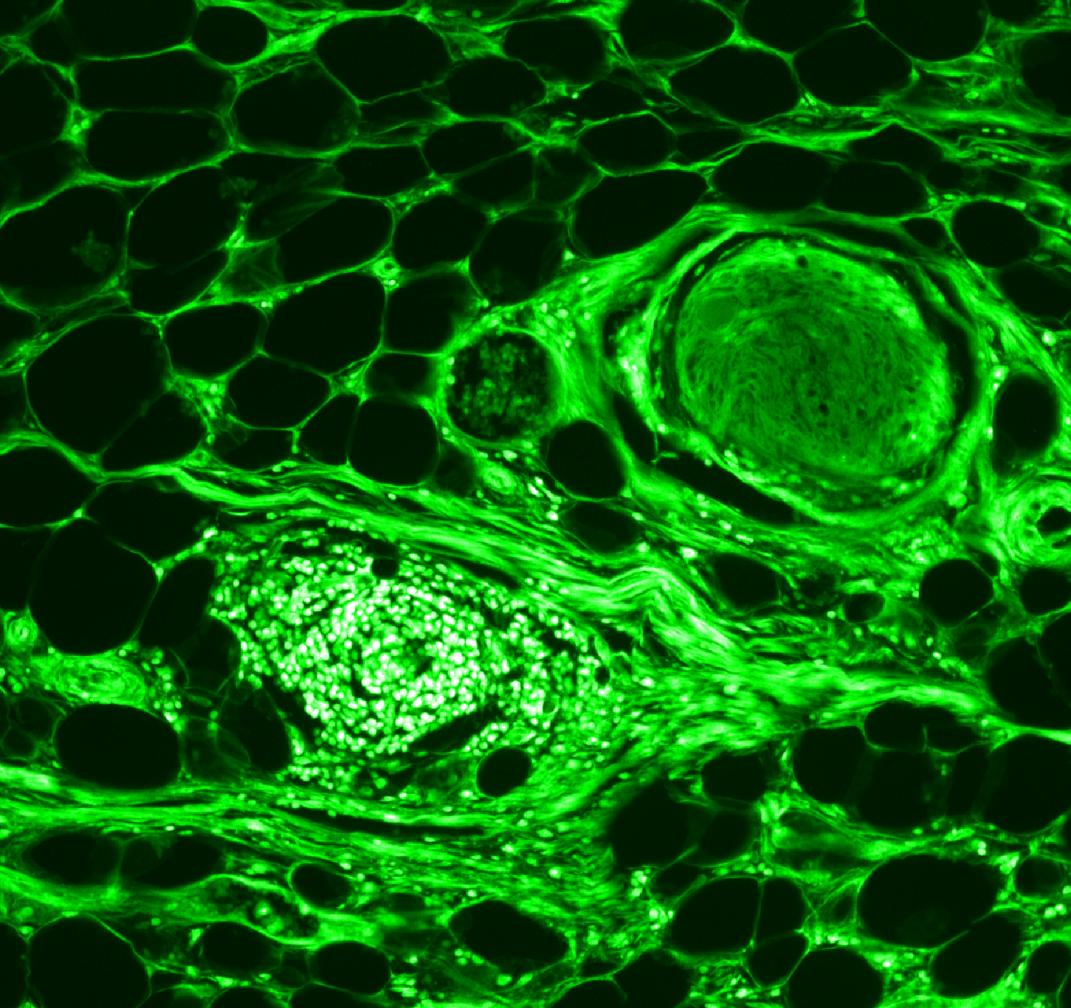
Fluorescence Imaging of Different Plant Cells + Pseudo-color Images








 Compare
 Clear the comparison bar
