










Observing Cavitation Phenomena Generated by Underwater Discharge
SinceVision High-Speed Camera Observing Cavitation Phenomena Generated by Underwater Discharge
 Product Inquiry
Related tags
Industry pain points and demands
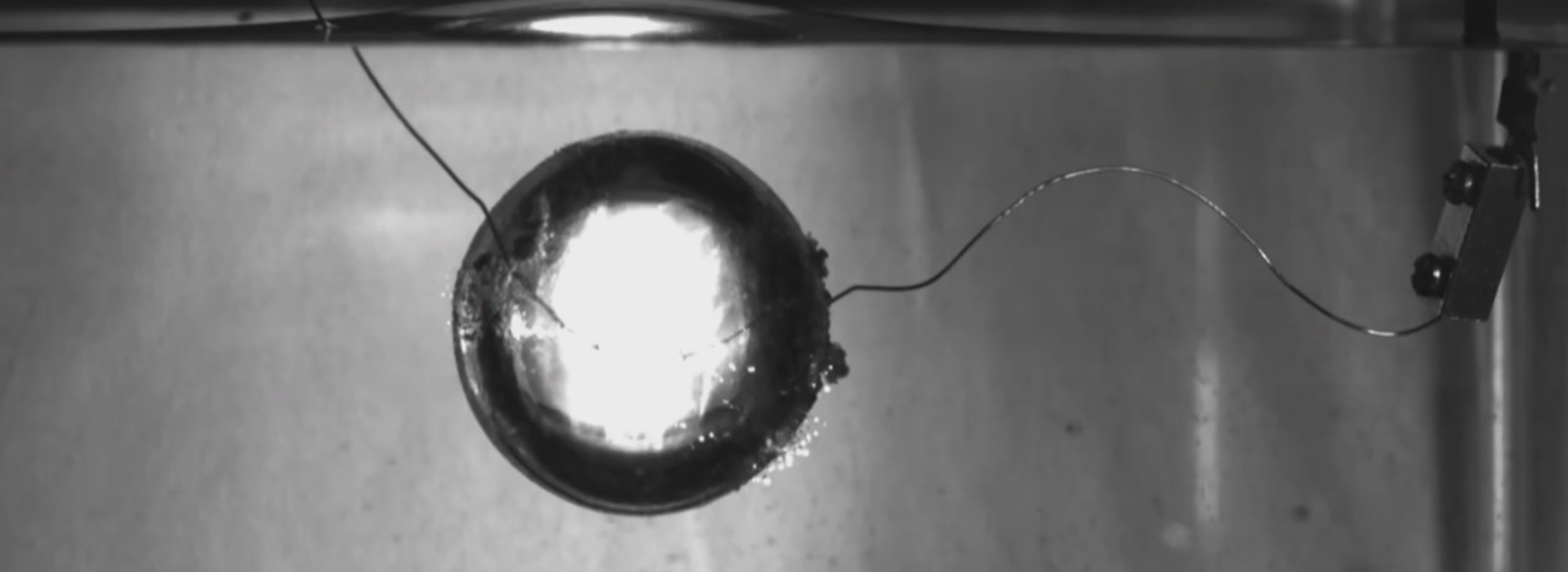
The cavitation phenomenon generated by underwater discharge is a physical phenomenon where high-voltage electricity in water causes the formation and collapse of bubbles, thereby creating cavitation. The speed at which cavitation occurs is extremely fast, usually exceeding the capture range of the human eye and conventional cameras. High-speed cameras can shoot at extremely high frame rates, capturing the rapid changes in the cavitation phenomenon and recording different stages of the cavitation process, including key phases such as bubble formation, expansion, and collapse. This helps researchers further investigate the entire process of the generation, development, and disappearance of cavitation bubbles.
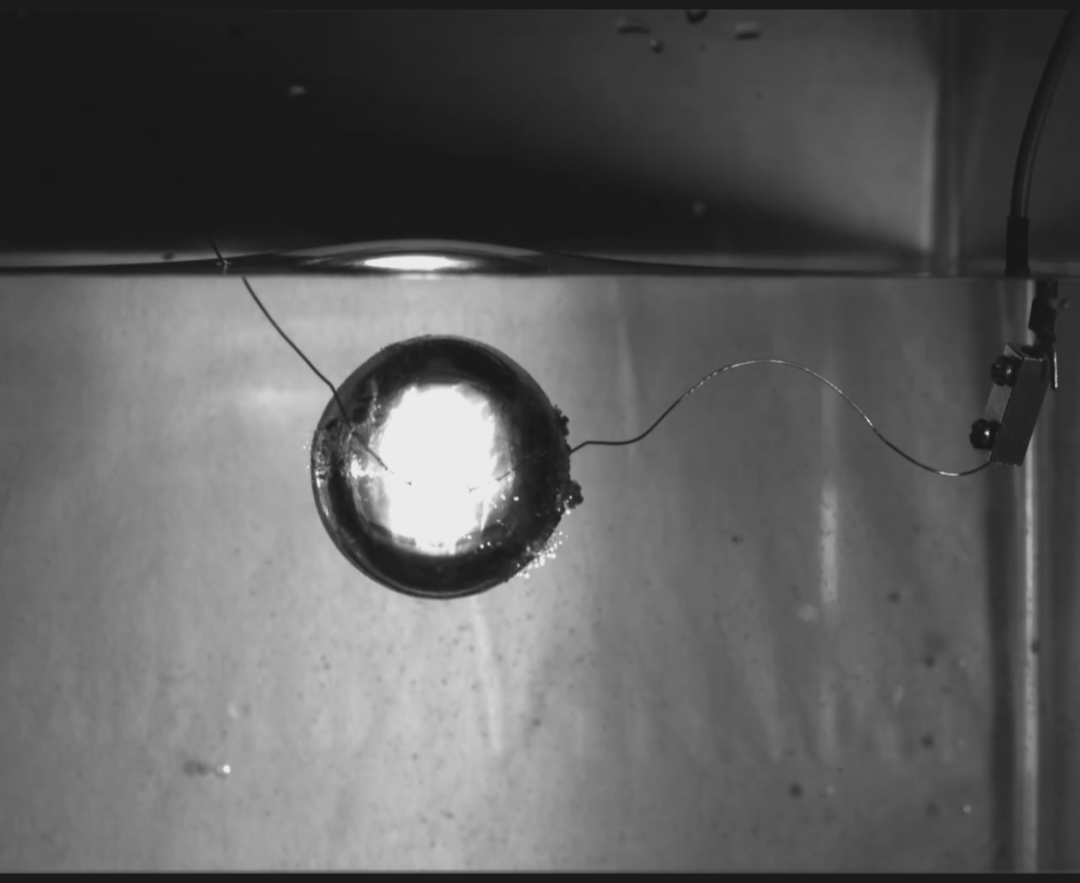
▲Cavitation Phenomenon Generated by Underwater Discharge
By analyzing the image sequences captured by high-speed cameras, researchers can gain a deep understanding of the fluid dynamic behavior during the cavitation process, such as bubble growth, movement, and collapse. Observing and analyzing cavitation phenomena helps optimize the design of underwater equipment or engineering systems, predict and control cavitation effects, and prevent damage to equipment or the environment. High-speed video provides direct visual evidence for the study of underwater discharge phenomena, aiding in the verification of theoretical models and simulation results, and promoting scientific research in related fields.








 Compare
 Clear the comparison bar
