










Cavitation Bubble Observation
SinceVision Intelligent High-Speed Camera Assists in the R&D of Shock Wave Ballistic Missile Guidance Systems
 Product Inquiry
Related tags
Industry pain points and demands
Project Background & Challenges:
Vascular calcification is difficult to reverse once it occurs. Traditional treatments like balloon dilation often cause vascular injury, complications, and a high risk of restenosis.
Technical Solution & Core Challenge:
The shock wave balloon catheter delivers high-voltage pulses to induce a cavitation effect in the contrast agent. The key challenge lies in precisely controlling the rapid expansion and collapse of cavitation bubbles within an extremely short time. This process must safely and effectively generate outward shock waves to "loosen" the calcified lesions without damaging the vessel wall, thereby improving vascular compliance.
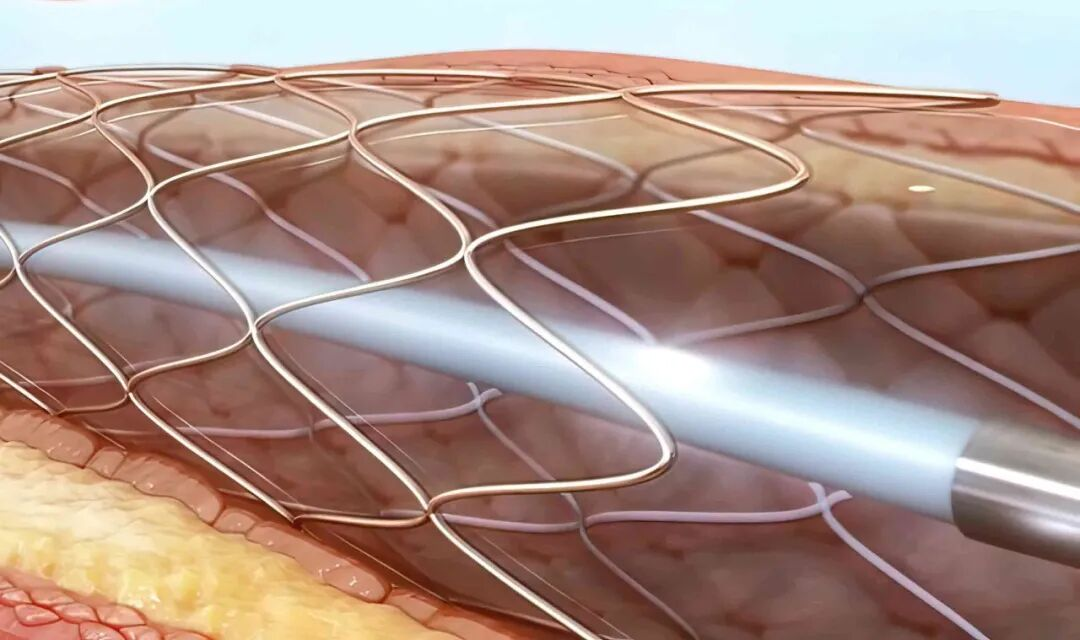
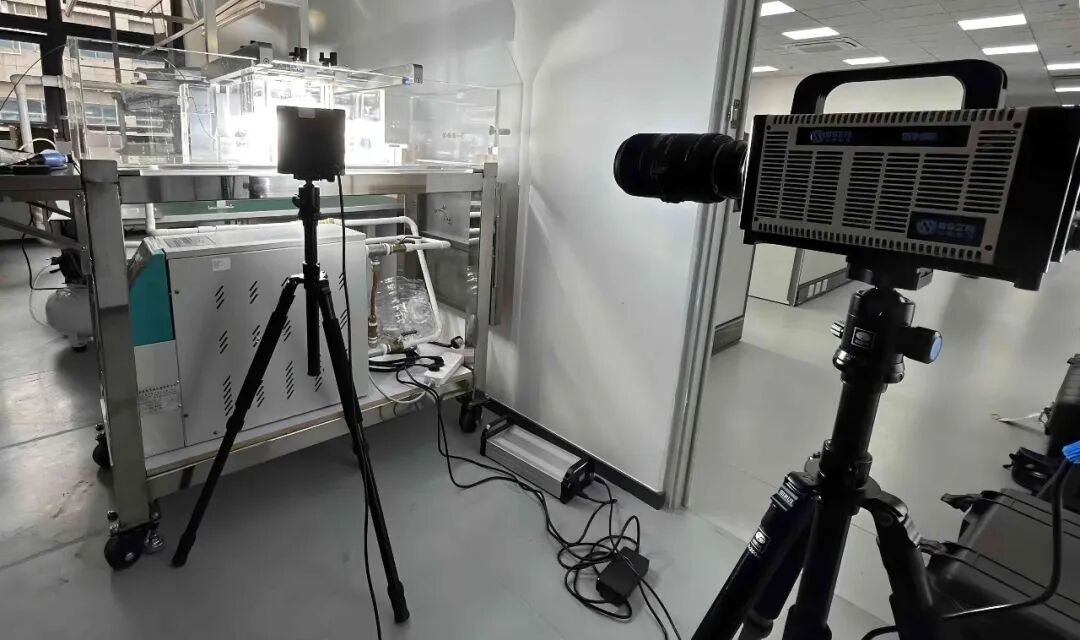
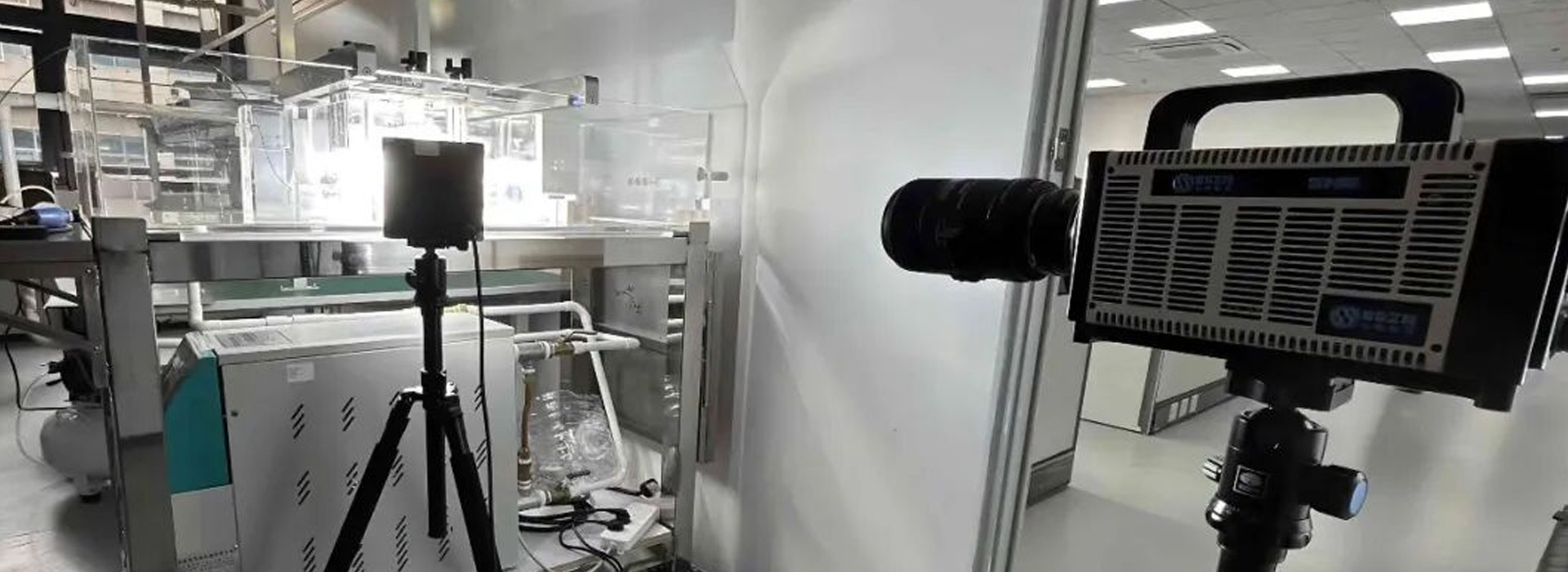
The shock waves from the balloon catheter create high-speed, randomly sized and positioned cavitation bubbles near the catheter. A high-speed camera is used to observe these bubbles and calculate shock wave speed and bubble characteristics, which helps guide product improvements.
Model: SH6-113-M-160
Light Source: 200W LED High-brightness Light Source
Lens: 105mm Prime Lens
Resolution: 1280×128
Frame Rate: 100,000 fps








 Compare
 Clear the comparison bar
