










Category

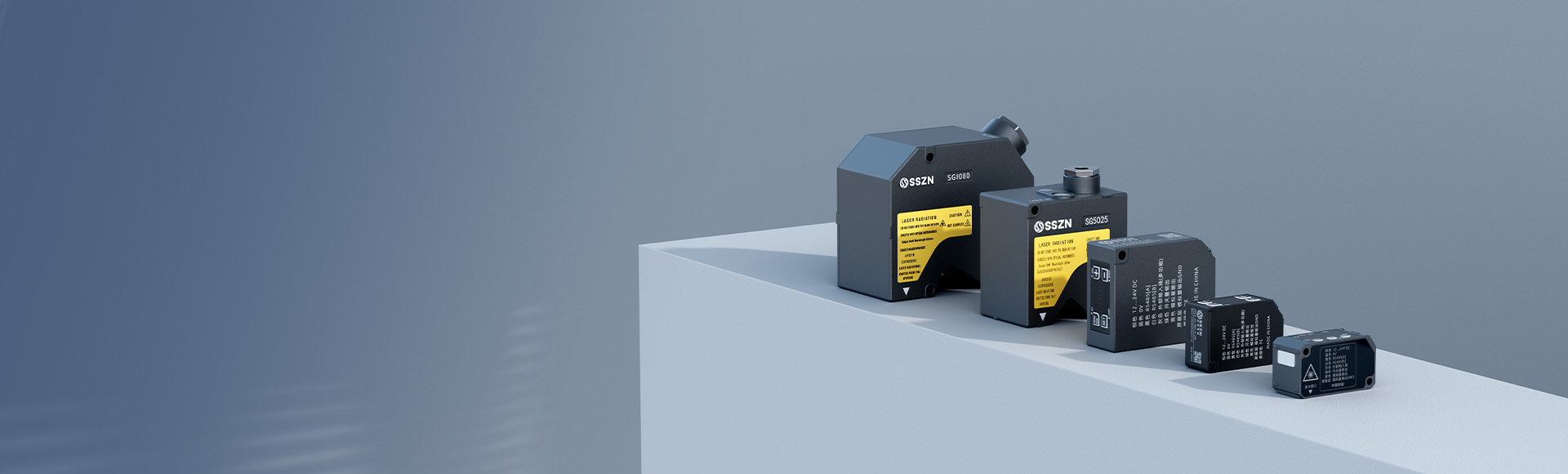
Laser Displacement Sensor
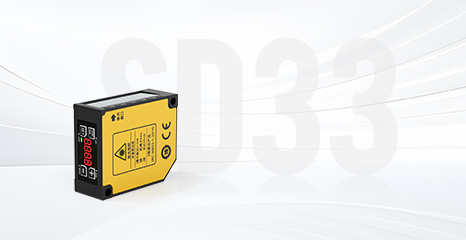
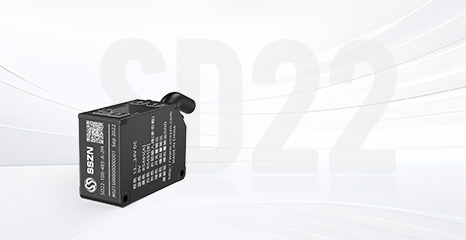
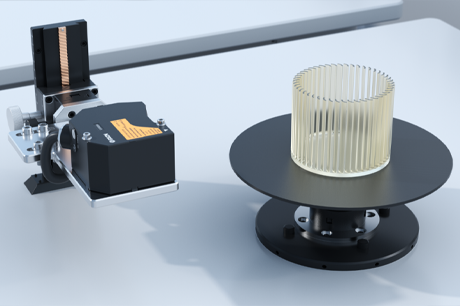
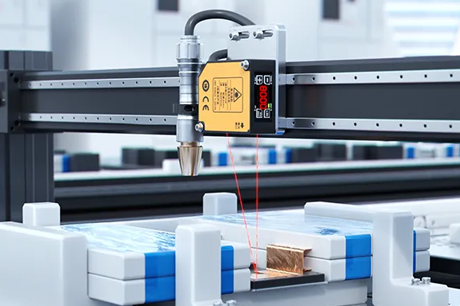
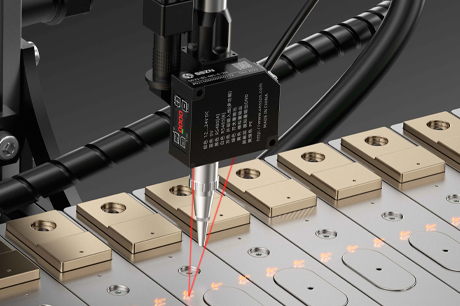
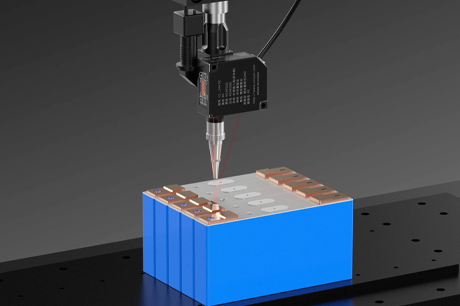
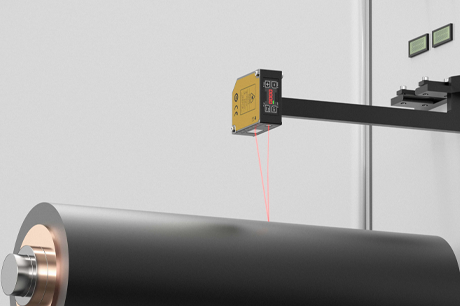
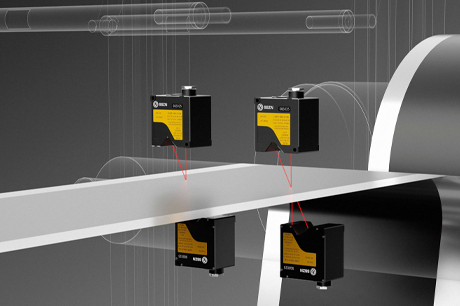
Sincevision offers five specialized series of non-contact laser displacement sensors (SG, SGI, SD33, SD22, and SD-C) designed for high-performance metrology. Utilizing advanced laser triangulation technology, our sensors deliver sub-micron accuracy across a wide range of industrial applications.
Product Advantages
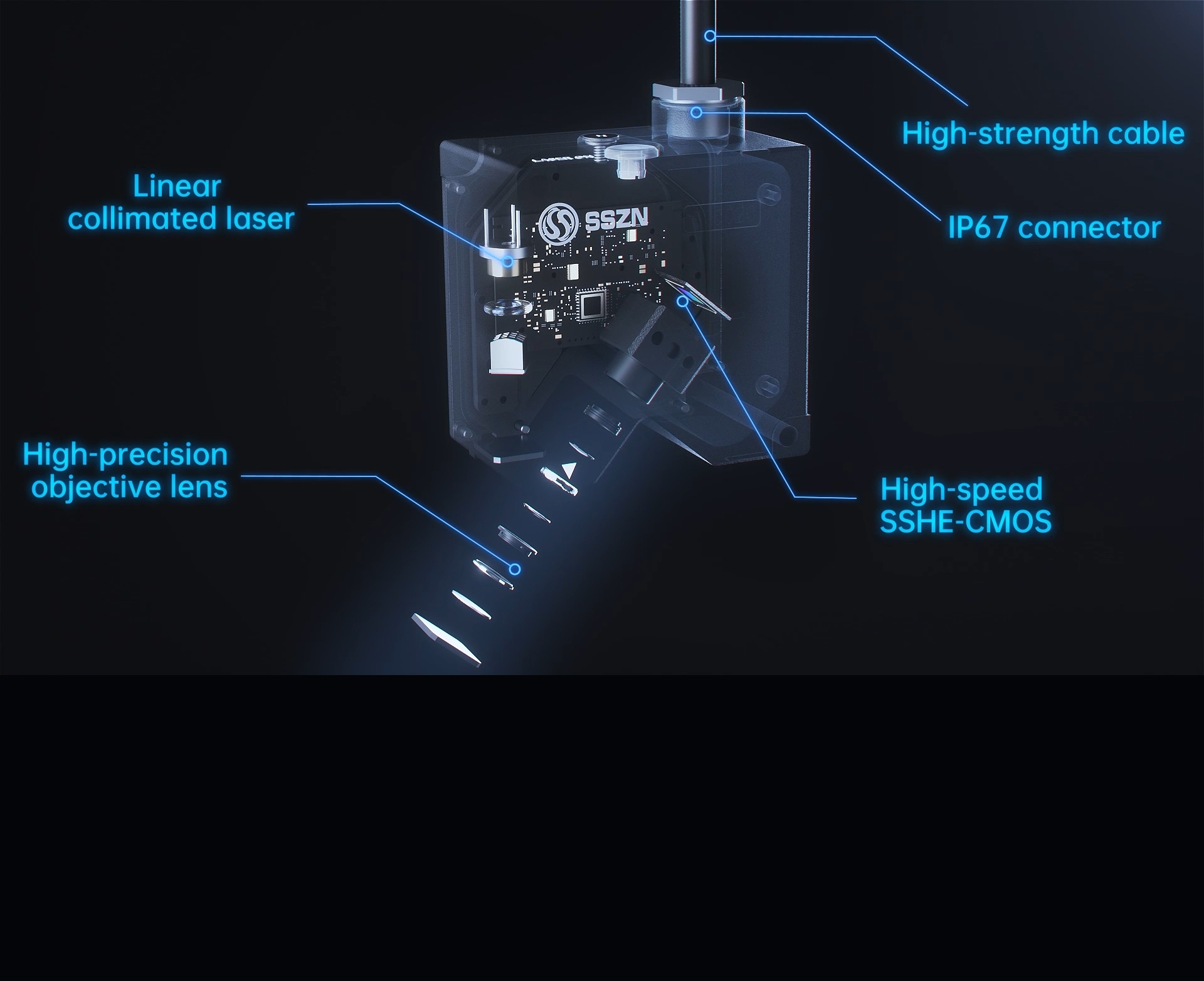
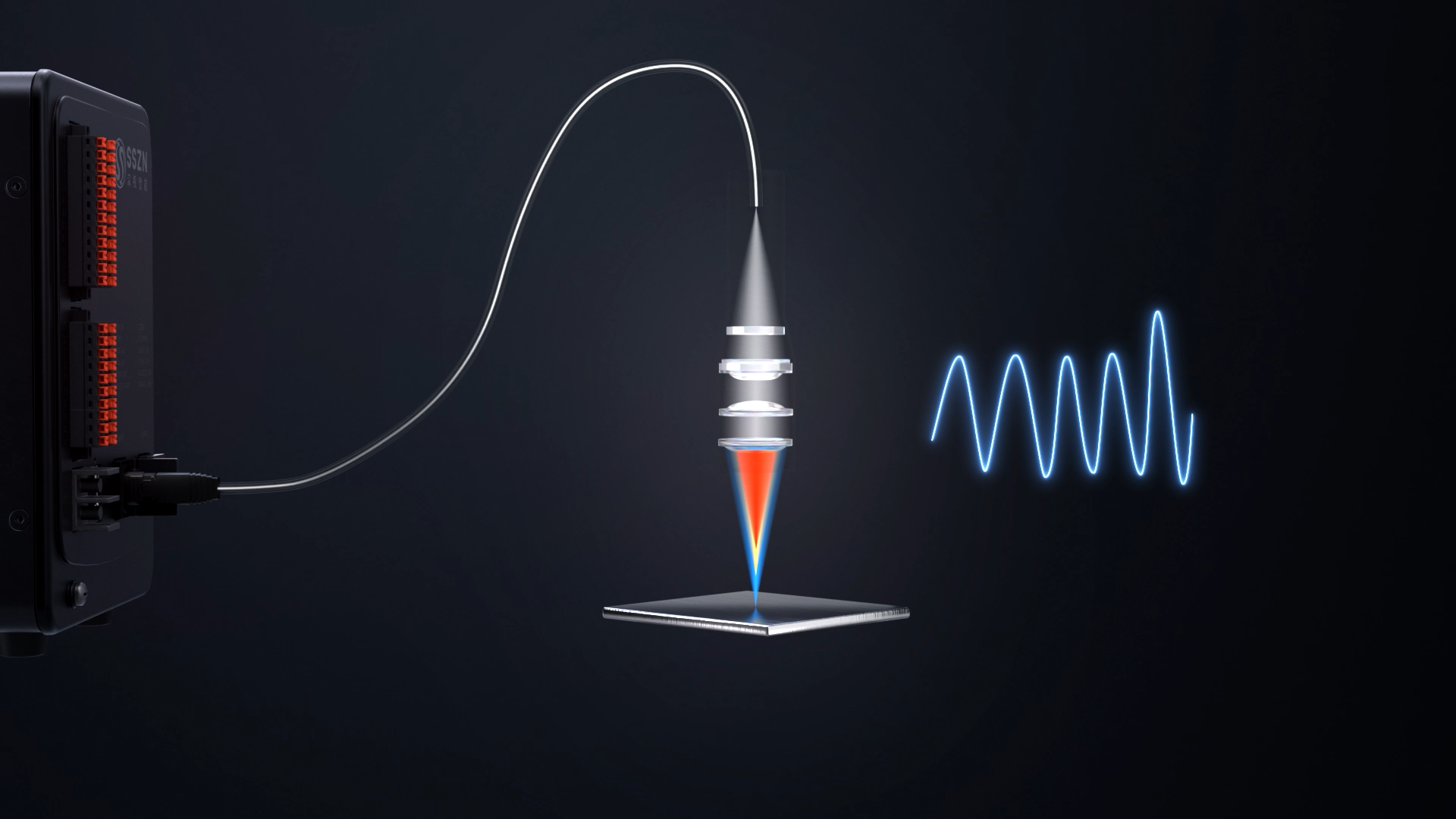
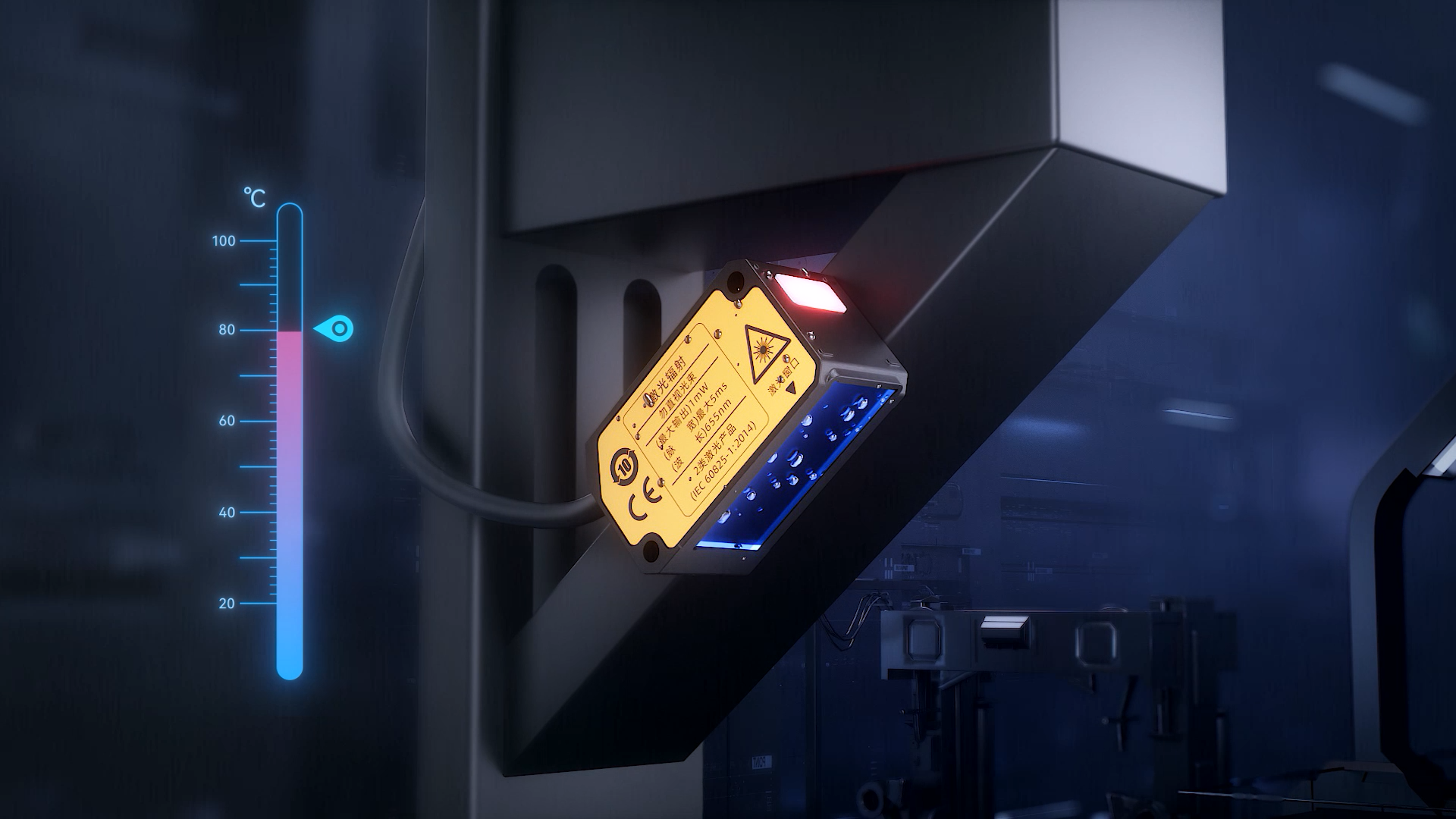
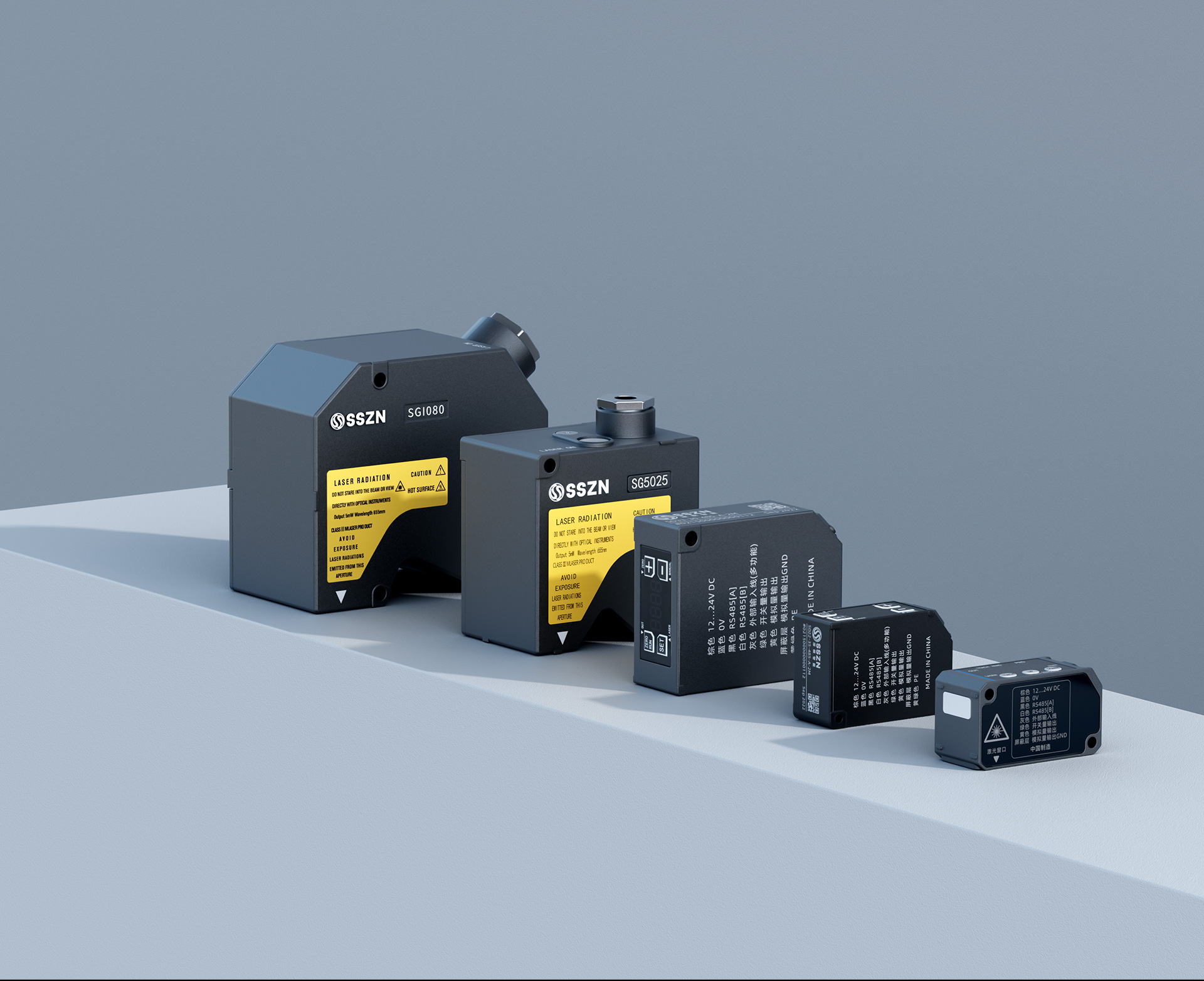
Product Matrix



File
SinceVision-SD22 & SD33 Documentation
ZIP / 986.41KB
Technical Guide
 Download Now
 Add to Download List
SinceVision-Hardware User Manual-SD33&SD22 Series_Instruction Manual
ZIP / 7.53MB
Technical Guide
SinceVision-Hardware User Manual-SD-C Series_Instruction Manual
ZIP / 25.21MB
Technical Guide
SinceVision- SD22-150 Installation diagram
PDF / 173.12KB
Product Specifications
SinceVision-SD22-35 Installation diagram
PDF / 171.75KB
Product Specifications
SinceVision-SD22-15 Installation diagram
PDF / 168.72KB
Product Specifications
SinceVision-SD22-150 Parameter
PDF / 173.12KB
Product Specifications
SinceVision-SD22-15 Parameter
PDF / 168.72KB
Product Specifications
SinceVision-SD22-100 Parameter
PDF / 168.26KB
Product Specifications
SinceVision-SGI400 installation diagram
PDF / 203.2KB
Product Specifications
SinceVision-SGI150 installation diagram
PDF / 173.5KB
Product Specifications
SinceVision-SGI400 parameters
PDF / 280.09KB
Product Specifications
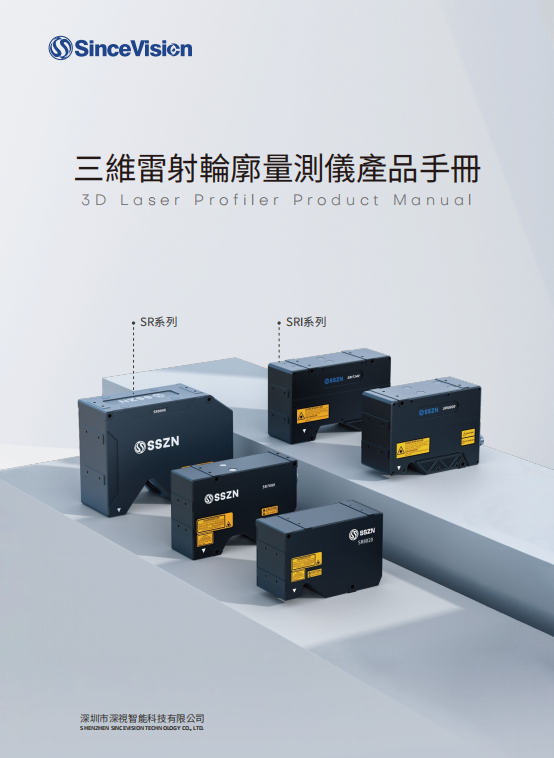
SinceVision-3D Laser Profiler Product Catalog 02V1 Hot New
PDF / 5.95MB
Product Manual
SinceVision-Laser Displacement Sensor/Spectral Confocal Displacement Sensor - Software Hot
ZIP / 238.32MB
Product Software
SinceVision-SD22 & SD33 Documentation
ZIP / 986.41KB
Technical Guide
SinceVision-Hardware User Manual-SD33&SD22 Series_Instruction Manual
ZIP / 7.53MB
Technical Guide
SinceVision-Hardware User Manual-SD-C Series_Instruction Manual
ZIP / 25.21MB
Technical Guide
SinceVision-Hardware User Manual-SG&SGI Series Laser Displacement Sensor
ZIP / 23.43MB
Technical Guide
SinceVision- SD22-150 Installation diagram
PDF / 173.12KB
Product Specifications
SinceVision-SD22-35 Installation diagram
PDF / 171.75KB
Product Specifications
SinceVision-SD22-15 Installation diagram
PDF / 168.72KB
Product Specifications
SinceVision-SD22-150 Parameter
PDF / 173.12KB
Product Specifications
SinceVision-SD22-15 Parameter
PDF / 168.72KB
Product Specifications
SinceVision-SD22-100 Parameter
PDF / 168.26KB
Product Specifications
SinceVision-SGI400 installation diagram
PDF / 203.2KB
Product Specifications
SinceVision-SGI150 installation diagram
PDF / 173.5KB
Product Specifications
SinceVision-SGI400 parameters
PDF / 280.09KB
Product Specifications
SinceVision-SGI030 installation diagram
PDF / 166.53KB
Product Specifications
SinceVision-SD22-100 Installation diagram
PDF / 168.26KB
Product Specifications
SinceVision-SD22-35 Parameter
PDF / 171.75KB
Product Specifications
FAQs
-
1. How does SinceVision's laser triangulation technology work?


SinceVision sensors employ the laser triangulation method to calculate displacement based on the angle of reflected light. A laser beam is emitted onto the target surface; the reflected light is then focused through a lens onto a high-resolution receiving element.
1. Precision and Speed: The SG Series achieves an industry-leading sampling frequency of 590kHz and a repeat accuracy of 0.05μm, allowing it to capture even the most subtle vibrations or height changes in real-time.
2. Model Variety: The matrix includes the SG, SGI, SD33, SD22, and SD-C series, offering diverse solutions from ultra-high-speed scanning to cost-effective, compact designs.
-
2. What is a Laser Displacement Sensor?
Laser displacement sensor is a high-precision, non-contact measurement tool used to determine distance, height, thickness, and position. Built on a "multi-series + full-model" matrix, these sensors utilize laser triangulation technology to provide stable, repeatable data without physical interference. They serve as critical components for quality control in high-speed industrial production lines across sectors like semiconductors, automotive, and lithium batteries.
-
3. Can SinceVision sensors be integrated into existing automation systems?
Yes. SinceVision sensors are designed for high compatibility and easy debugging.
1. Multi-Protocol Support: They support a wide range of communication interfaces, including RS485, analog signals, EtherCAT, TCP/IP, and ModbusTCP.
2. PLC Integration: Their integrated design and flexible communication protocols allow for quick installation and seamless feedback loops for real-time device control and positioning.
-
4. Key Features of the SinceVision Laser Measurement Sensor
Following are the key features of our laser measurement sensor:
1. Ultra-High Sampling Frequency: Supports up to 590kHz, enabling the capture of minute displacement changes in high-speed rotating or vibrating workpieces.
2. Unmatched Repeatability: Delivers measurement consistency with 0.02μm repeatability, ensuring reliability for the most demanding quality control tasks.
3. Multi-Series Product Matrix: Features a comprehensive lineup including the SG, SGI, SD33, SD22, and SD-C series to meet diverse industrial needs from miniature size to large-range detection.
4. Intelligent Low-Temperature Adaptation: Utilizes a specialized startup algorithm to maintain high-precision operation in environments as cold as -40℃.
5. High-End Optical Optimization: Specifically engineered to overcome reflections in semiconductor applications, such as solder ball flatness detection and lens height guidance.
-
5. Which SinceVision series is right for my application?
You can choose from different laser displacment sensor series according to your application below:
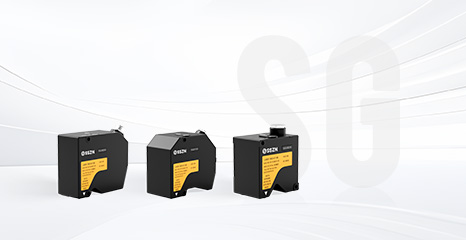
1. SG Series: Choose for ultra-high-speed (590kHz) and high-precision ceramic or industrial inspections.
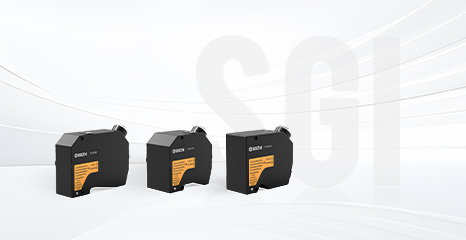
2. SGI Series: Ideal for high-end applications requiring integrated, high-precision detection ranges up to 250mm.
3. SD33 Series: Best for general-purpose high performance with EtherCAT support.
4. SD22 Series: Optimized for special applications requiring a larger measurement range and high-temperature resistance.
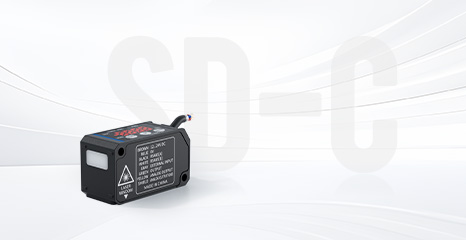
5. SD-C Series: The cost-effective, compact choice for 3C, automotive, and general industrial automation.
Discover More






 Compare